

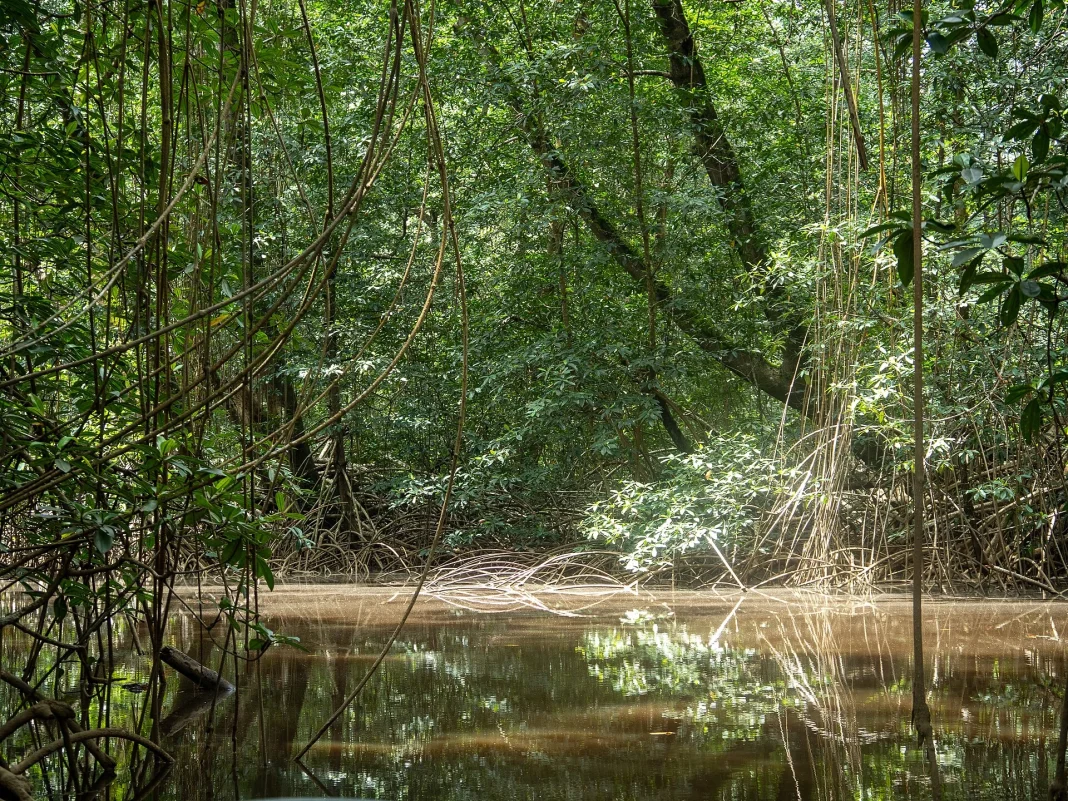
Does it make sense that one of the most urbanized cities on the planet harbors within it a wild forest with more than 60 bird species? The National Mangrove Park in Abu Dhabi is not a catalog postcard: it is a living ecosystem where silence is broken only by the splash of a paddle and the low flight of herons.
What few people know is that this park protects more than 19 square kilometers of mangroves within the urban fabric of the Emirati capital. A two- or three-hour kayak rental is not only the most affordable option to explore it, but the only one that allows you to venture into the narrowest channels where no tourist boat can reach.
The National Mangrove Park: An Ecosystem That Defies the Desert
The fact that one of the densest mangrove forests in the Persian Gulf grows in the middle of the Arabian desert is not an accident, but the result of decades of active protection. The National Mangrove Park covers the eastern coastal strip of Abu Dhabi and acts as the green lung of a city that has committed to coexisting with its most primitive nature.
The mangroves in this park absorb carbon dioxide and fix it in their soils for centuries, turning every paddling session into an act of ecotourism with real impact. Entrance to the park is free, and kayak rental ranges between 35 and 160 dirhams depending on the operator — an investment that, according to everyone who has made it, completely changes the perception of what Abu Dhabi is.
What to See from the Kayak in the National Mangrove Park
From the water surface of the National Mangrove Park the perspective changes radically: the roots of the mangroves form natural arches that frame corridors where spotted crabs, tropical fish, and small rays swim just centimeters from the hull of the kayak. Pink flamingos are the star sighting, especially in the channels of the northeast sector during the early morning hours.
The mangroves also shelter sea turtles and, in the deeper stretches of the park, sporadic dugong sightings have been recorded. High tide is the ideal time to head out: the secondary channels open up and allow exploration of nooks that are inaccessible at low tide, multiplying the experience.
How to Plan Your Visit to Make the Most of the Mangroves
The usual starting point is the Eastern Mangroves Promenade Harbour, where several operators offer single or double kayak rentals. The smartest move is to arrive between 7 and 9 in the morning: the light is perfect for photography, temperatures are bearable, and wildlife is in full activity before the heat drives it into the shade.
The ideal months to visit the National Mangrove Park run from October to April, when temperatures hover around 25 degrees and the Gulf breeze makes paddling genuinely pleasant. In summer the park remains open, but the extreme heat turns the outing into an endurance test that requires an early start and total sun protection.
Safety and Practical Tips Before Renting a Kayak
The National Mangrove Park is considered one of the safest kayaking environments in the Emirates: there are no dangerous currents, the water is shallow, and the only wildlife that might surprise you are the crabs climbing the roots. Even so, operators recommend going with company on the first visit, as the network of channels can disorient those unfamiliar with the park.
Bring plenty of water, high-factor sunscreen, and footwear that can get wet. The mangroves offer little shade and the Emirati sun shows no mercy, so a wide-brimmed hat makes the difference between enjoying two hours or wishing you had turned back sooner. Kayaks are usually equipped with a dry compartment to store your phone and camera.
| Aspect | Practical Information |
|---|---|
| Park entrance | Free (promenade and trail) |
| Kayak rental | From 35 AED to 160 AED (depending on operator and duration) |
| Recommended duration | 2–3 hours to explore the main channels |
| Best season | October – April (temperatures between 20 and 28 °C) |
| Notable wildlife | Flamingos, herons, turtles, crabs, rays |
The Future of the National Mangrove Park and Why to Visit Before It Changes
Abu Dhabi has integrated the National Mangrove Park into its sustainable tourism strategy for 2030, pointing toward greater regulation of access and a likely increase in water activity prices. Visiting now means enjoying the park in its most authentic state, before mass tourist demand fills channels that today still hold silences impossible to find anywhere else in the city.
Abu Dhabi’s mangroves are not an exotic curiosity: they are a reminder that biodiversity and urban development can coexist when there is political and civic will to protect them. Every time you rent a kayak at the National Mangrove Park and venture among roots and flamingos, you are also casting a vote for the kind of city you want to continue to exist.