


Is having your ticket on your phone really enough to fly to Dubai this week? The aviation crisis shaking the Middle East since February 27, 2026, has shown that neither confirmed bookings nor completed check-ins guarantee your plane will depart. The airspace of the United Arab Emirates has opened and closed without prior notice on multiple occasions over the past twenty days.
The scale of the disruption is historic: more than 11,000 flights cancelled or affected worldwide since the crisis began, with Dubai as the epicenter of a collapse that has hit travelers from all six continents. Knowing which airlines are flying, which are not, and under what conditions could save you a 48-hour nightmare in a terminal.
Dubai on Alert: Why the Airspace Remains in Jeopardy
The root cause lies in the military escalation in the Middle East that began in late February 2026, when missile and drone attacks on the region forced the closure of the United Arab Emirates airspace. Dubai International Airport (DXB), which handled 95.2 million passengers in 2025, cancelled 227 of its 236 scheduled flights in a single day.
Since then, authorities have applied an open-and-close model based on risk assessments validated by the National Crisis and Emergency Management Authority. Dubai has not returned to normal operations: it functions in controlled emergency mode, with safety windows coordinated with the Air Defence Command and check-in extended to four hours before each departure.
Which Airlines Have Suspended Flights to Dubai and Abu Dhabi
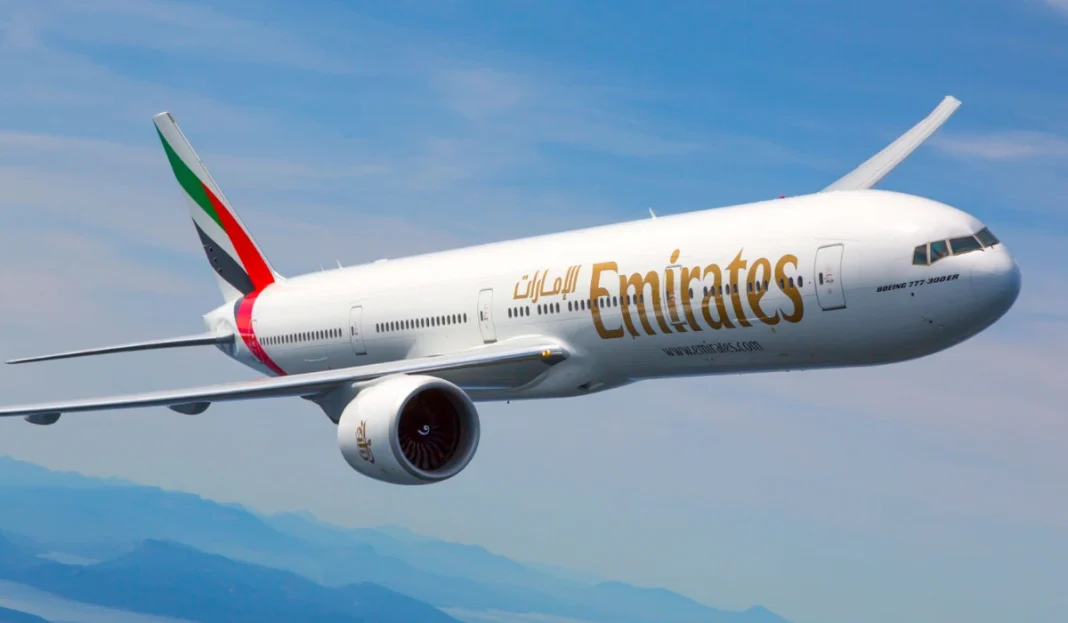
Suspensions in Dubai are not uniform. Emirates, the UAE’s flag carrier and the largest airline in the Middle East, is currently operating on a limited basis to 84 destinations, but requires a confirmed booking and an “operational OK” email before traveling to the airport. Other major carriers have gone further with their restrictions.
Air France, KLM, British Airways, Cathay Pacific, and Singapore Airlines have extended the suspension of their flights to Dubai until between March 28 and March 31, 2026. Air India and Air India Express have cancelled all their flights to both Dubai and Abu Dhabi, offering full refunds or date changes without penalty.
Abu Dhabi: A Different Airport but Equally Affected
Zayed International Airport in Abu Dhabi has its own situation that should not be confused with Dubai‘s. Its air defences have remained on maximum alert, with drone interceptions recorded in areas close to the runways, prompting more severe operational restrictions at certain times. Etihad Airways, Abu Dhabi’s flag carrier, is operating a reduced schedule with prior authorisation required per flight.
All Air India Express flights to Abu Dhabi have been cancelled 100%, and airlines such as Emirates and flydubai have redirected part of their traffic between the two airports depending on available safety windows. An Emirates flight from Perth, for example, had to land in Abu Dhabi after DXB was temporarily closed due to a drone incident on March 16.
What Happens If You Already Have a Flight Booked to Dubai
The golden rule in this scenario is not to go to the airport without written confirmation from your airline, whether by email, official app, or SMS. Dubai airport authorities have explicitly asked that no passenger travel to the terminal without that validation, precisely to avoid overcrowding in the departure halls. Ignoring this warning could leave you stranded for hours without guaranteed assistance.
Passengers with tickets through the end of March are generally entitled to reschedule in the same class without penalty or to request a full refund. European travelers have additional protection: European airlines such as Air France or Lufthansa are required to apply EU261 regulations for cancellations exceeding three hours, which includes financial compensation based on flight distance.
| Airline | Current Status | Refund Policy |
|---|---|---|
| Emirates | Limited operations (84 destinations) | Refund or change at no charge |
| Etihad | Reduced schedule from Abu Dhabi | Full refund or 24-month voucher |
| Air France / KLM | Suspended until ~March 28–31 | EU261 + full refund |
| British Airways | Suspended, no specific date | Change until end of 2026 at no cost |
| Air India / Express | 100% cancelled to DXB and AUH | Full refund or new date |
Dubai in the Final Stretch of March: What to Expect in the Coming Days
The trend points to a gradual recovery for the last stretch of March and into April, always contingent on the evolution of the regional conflict. Emirates has demonstrated rapid reactivation capability: in the first 84 hours of partial reopening of DXB, more than 1,140 flights were operated with 105,000 outbound seats available. Dubai has the logistical muscle to return to full operations relatively quickly once the security context allows it.
The expert advice for anyone with a flight in the next two weeks is to activate alerts on their airline’s app, check flight status every 12 hours, and have an alternative connection plan ready via cities such as Madrid, Frankfurt, or Zurich, which European airlines are already using as diversion hubs. The Dubai crisis has highlighted the fragility of depending on a single global connection node, but has also served as a reminder that UAE airports know how to handle it as well as any in the world.