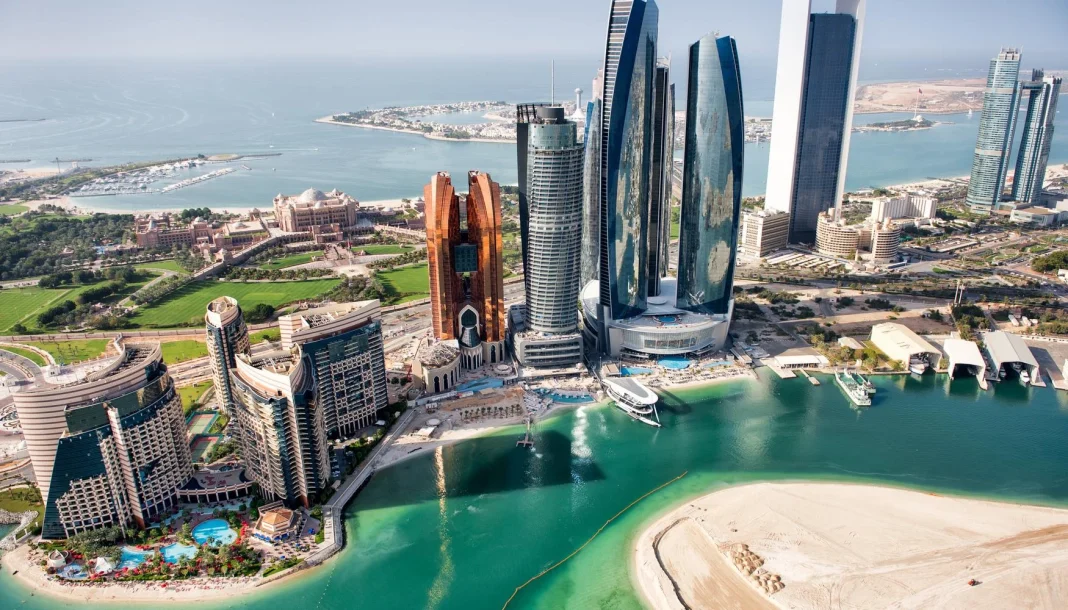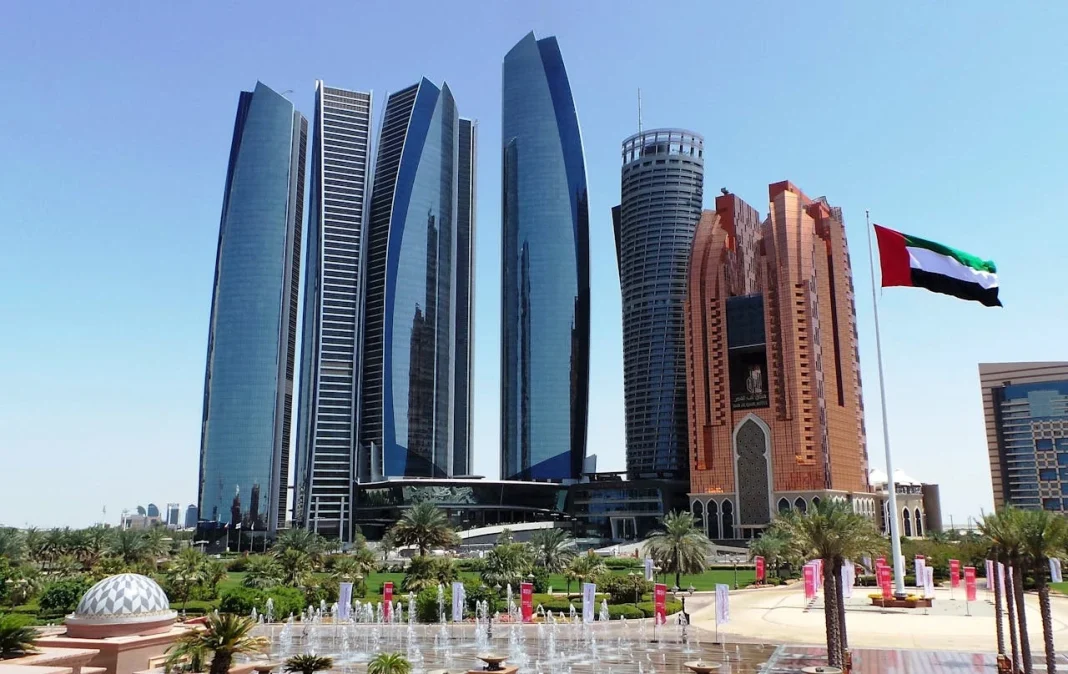


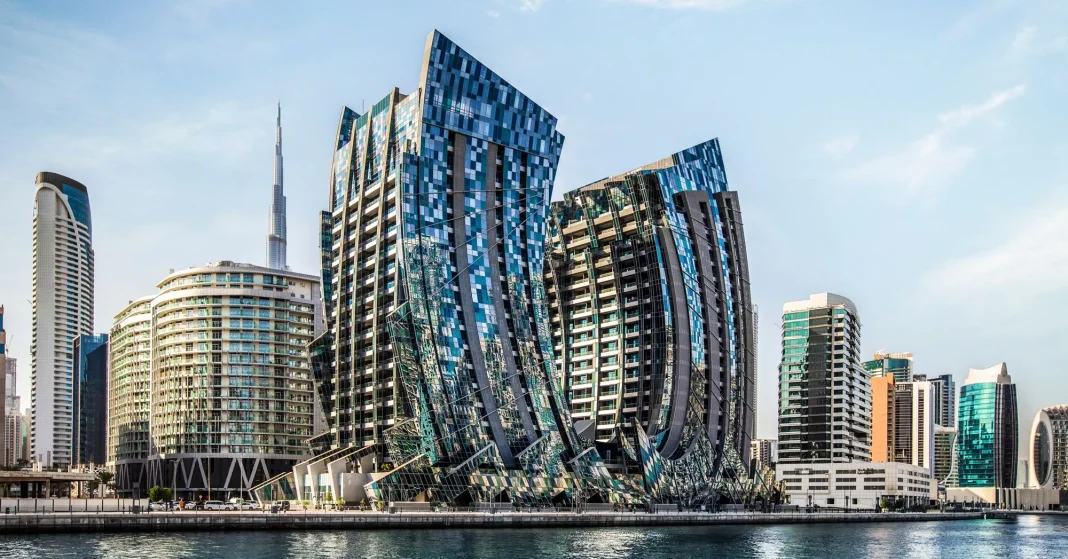
Can a real estate market grow precisely when the world is wobbling? Dubai has been proving it can for years, and March 2026 is its most compelling evidence. While Europe strings together uncertainties, the emirate closes record weeks in transactions and reinforces its status as a priority destination for global capital.
The data is not opinion: the third week of March 2026 recorded AED 153.6 billion in sales, 28% more than the same period the previous year, according to Property Monitor. Emaar, DAMAC, and Binghatti lead the developer rankings. Behind these figures lies something deeper than a bull cycle: an architecture of trust that took decades to build.
Dubai in 2026: the thermometer of international capital
The third week of March was not an anomaly. Dubai closed January 2026 with AED 72.4 billion in residential transactions, representing a 63% increase compared to the same month in 2025. The city’s most active brokers agree that demand is concentrated in quality assets, prime areas, and developments capable of generating stable rental income from day one.
What distinguishes Dubai from other expanding markets is the structural maturity its real estate sector has achieved. Only 5% of current buyers resell within less than a year, compared to 17% who did so in 2014. Developers now require up to 80% upfront payment and manage their treasuries with a discipline unknown in previous cycles.
Why Dubai holds where other markets yield
Amid regional geopolitical tension, the real estate market of Dubai has demonstrated an absorption capacity that surprises even the most skeptical analysts. High-value transactions have closed without significant discounts, evidencing investor conviction in the emirate’s long-term fundamentals. The decoupling between regional volatility and the price per square meter is no coincidence: it responds to years of strict regulation, mandatory escrow accounts, and a legal framework that protects the foreign buyer.
The structural key to that resilience lies in real estate investment with no property tax, no taxed capital gains, and net yields between 6% and 9% annually in strategic areas. For investors coming from European markets, where taxation consumes between 20% and 45% of gross returns, Dubai represents a radically different financial equation. That difference is what moves capital from Madrid, London, or Berlin toward the Persian Gulf.
The Dubai areas leading investor demand
Palm Jumeirah, Downtown Dubai, and Dubai Hills Estate concentrate the bulk of high-value transactions in the first quarter of 2026. These are areas where the cash buyer — with no leverage — dominates the market, dramatically reducing systemic risk in the event of an eventual rate correction. Knight Frank projects a 3% rise in the prime segment during 2026, with the bullish trend maintained in the mid-range segment.
Off-plan developments, with installment payment plans during construction, have become the preferred entry point for the mid-to-high profile international investor. Registering the contract with the Dubai Land Department carries a 4% fee on the property value: a fixed, transparent cost with no subsequent surprises. On the other hand, there is no annual property tax or capital gains tax.
The profile of the investor betting on Dubai in 2026
Indians, British, Russians, Chinese, and Pakistanis top the ranking of investor nationalities in Dubai in 2026. Spaniards, while not among the global top positions, have multiplied their presence in the Emirati market over the last three years, attracted by the possibility of obtaining the Golden Visa 2.0 with investments from 2 million dirhams (approximately 500,000 euros). The visa converts a financial decision into a life strategy and wealth planning tool.
The typical investor is no longer the speculator of previous cycles. They are a business owner, liberal professional, or wealth manager seeking geographic diversification, passive income, and inflation protection in strong currencies. The UAE dirham has been pegged to the US dollar for decades, eliminating exchange risk for those who invoice or save in dollarized currencies.
| Indicator | 2025–2026 Data | Market Reference |
|---|---|---|
| January 2026 transactions | AED 72.4B (+63% year-on-year) | Dubai Land Department |
| Sales 3rd week March 2026 | AED 153.6B (+28%) | Property Monitor |
| Net rental yield | 6%–9% annually | Strategic areas |
| Expected prime segment growth | +3% in 2026 | Knight Frank |
| Buyers reselling in <1 year | Only 5% (was 17% in 2014) | GetStake / Market analysis |
Dubai 2026–2030: the investment window not to miss
Knight Frank forecasts that between 2026 and 2030, 331,000 new homes will be completed in Dubai, with 250,000 new residents arriving in the emirate each year. This sustained demographic growth rate is the strongest argument for those investing with a 3-to-5-year horizon: structural demand is not a trend, it is a long-term demographic and economic trajectory.
The experienced analyst’s advice is simple: act on quality, not quantity. In a maturing market, properties in established locations with high rental demand will comfortably outperform speculative peripheral developments. Dubai has not stopped being a bet, but in 2026 it is, above all, a calculated and documented bet for the investor who knows how to read the cycle.