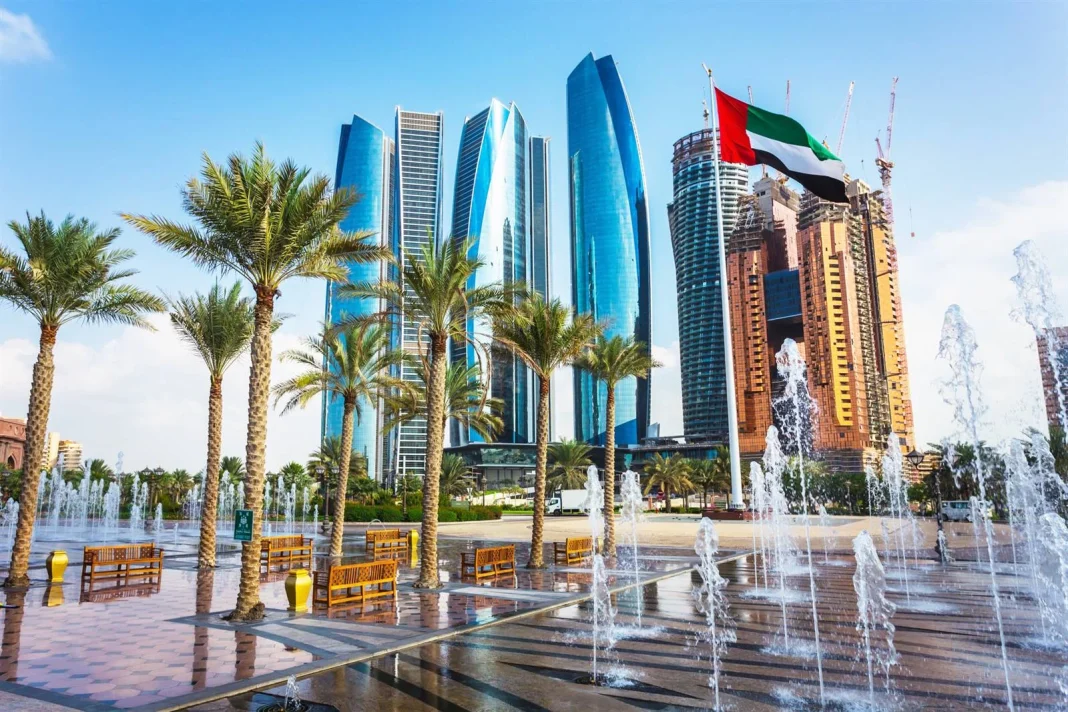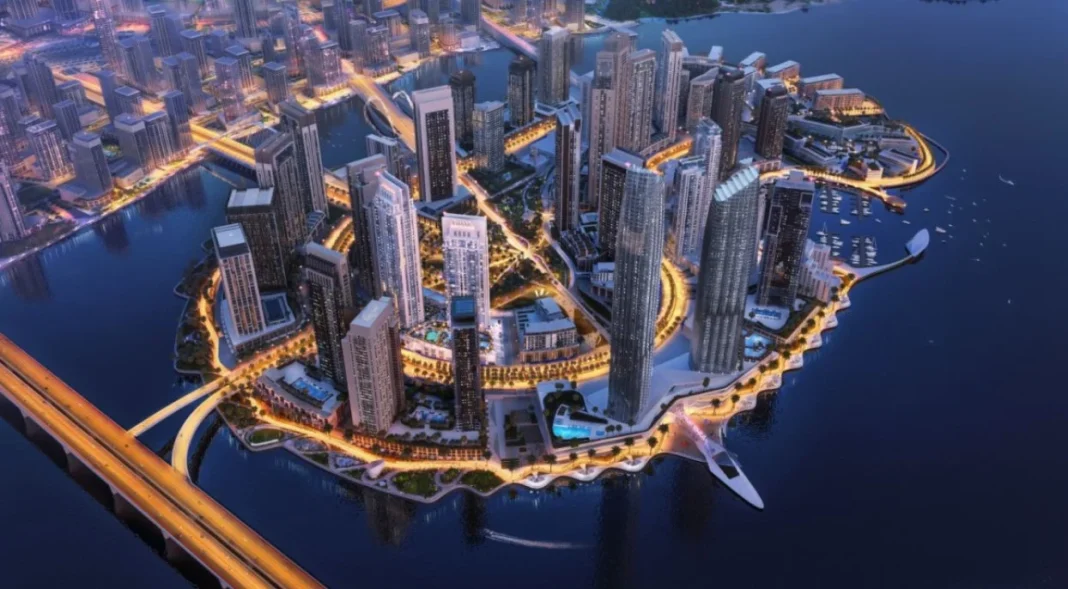


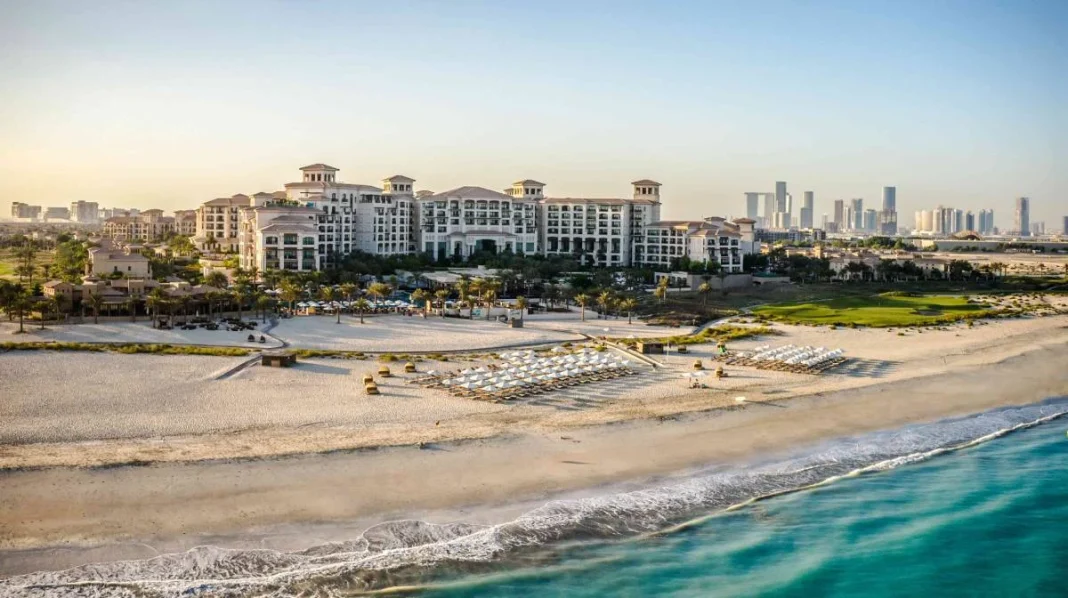
What does European capital know about Saadiyat Island that you haven’t discovered yet? When German family offices, Scandinavian sovereign wealth funds, and Spanish private investors look to move their money outside Europe, the name they keep repeating isn’t Dubai. It’s Saadiyat Island, the island that in February 2026 generated AED 5.6 billion in real estate transactions, more than any other area in the emirate. That’s not a minor detail. It’s a signal.
The figure that demands attention is this: in the fourth quarter of 2025, residential values in Abu Dhabi appreciated by 13.1%, with Saadiyat Island recording rental increases of up to 31% according to ADREC. Markets like Germany or Spain haven’t seen those figures even in their best years.
Why Saadiyat Island Is Not Dubai
Comparing Saadiyat Island to Dubai is the most common mistake European investors make when approaching the Gulf for the first time. Dubai has already absorbed much of its appreciation potential: the off-plan market represents 83% of total transactions and prime zone entry prices already discount future upside. Saadiyat operates on a different logic.
The island doesn’t compete on volume or price. It competes on positioning. Its fabric of world-class museums, blue flag beaches, an 18-hole golf course, and Aldar residential projects builds structural demand that doesn’t collapse when the speculative cycle is exhausted. That’s the difference the late investor usually discovers too late.
The Louvre and the Guggenheim Effect on Saadiyat Island
Few urban assets have the ability to shield the value of an area the way major cultural facilities do. The Louvre Abu Dhabi has already proven it: documented return models in the Louvre Residences show an ROE of 261%, a figure that turns the museum into something more than a tourist attraction. It’s a price engine.
The Guggenheim Abu Dhabi, whose opening is expected in the coming years, will act as a second catalyst. When both institutions are operating at full capacity, the island’s international perception will have made a leap that current prices have not yet fully incorporated. Entering now means paying before that adjustment.
The Real Numbers of Saadiyat Island in 2026
Data from the first two months of 2026 leaves no room for interpretation: Saadiyat Island topped Abu Dhabi’s ranking by transaction value with AED 5.6 billion in February alone, ahead of Al Jubail Island (AED 4.2 billion) and Al Raha (AED 3.23 billion). ROI for studios is around 8.3% and one-bedroom apartments offer 7.2%, with rents growing 31% year-on-year.
The buyer profile has also changed. European and Spanish-speaking investors have gone from being a token presence to becoming an active segment, attracted by zero taxation on income and capital gains, flexible payment plans from developers, and a more contained capital entry than in other areas of the emirate. The access price has still not discounted what is coming.
| Indicator | Saadiyat Island | Al Jubail Island | Al Raha | Yas Island |
|---|---|---|---|---|
| Feb. 2026 Sales (AED) | 5.600 M | 4.200 M | 3.230 M | 2.000 M |
| Estimated rental ROI | 7.2–8.3% | ~5.8% | ~6.2% | ~6.5% |
| Rental growth 2025 | +31% | — | — | — |
| Investor profile | Luxury / cultural | Premium | Mixed | Tourism |
Saadiyat Island vs. a Europe Losing Returns
Context matters. The European investor who compares doesn’t do so in the abstract: they compare against a Spanish housing market with gross yields that rarely exceed 4–5% in consolidated urban assets, and against Central European markets with high rates, capital gains taxation, and growing regulatory pressure on rentals. Saadiyat Island offers the opposite: no income tax, no capital gains taxation, and a golden visa for purchases above a certain threshold.
It’s not just a matter of short-term yield. It’s a matter of tax structure and long-term wealth protection. The family offices that arrived first understood this. Those who arrive later pay the premium for having understood it too late.
What to Expect from Saadiyat Island in the Next Three Years
The roadmap is clear and backed by public infrastructure. The opening of the Guggenheim, improved connectivity with Abu Dhabi International Airport, and the expansion of retail and dining will consolidate the island as one of the most valued districts in the Arab world. Structural demand — corporate, cultural, and residential — does not depend on speculative cycles but on urban planning decisions already underway.
The advice that emerges from the data is precise: on Saadiyat Island the risk is no longer whether the market will grow, but whether the investor arrives before or after the price incorporates that growth. Metropolitan Capital Real Estate projects off-plan sales for Abu Dhabi of between AED 120 billion and 140 billion in 2026. The margin lies in entering before the area absorbs its infrastructure improvements, not after.