


On February 28, when the U.S. and Israel launched their first attacks against Iran, more than 31,000 Spanish citizens were in the region: residents, tourists, and displaced workers. Within hours, that number became the largest consular problem in Spanish democracy’s history.
Two weeks later, the Ministry of Foreign Affairs has surpassed 7,000 evacuees. This is no small achievement: it is the largest repatriation operation in Spain’s history. But thousands of compatriots remain in the area, and operations continue through every possible route, except from Iran.
The Middle East in Flames: How It All Started
February 28, 2026 marks a before and after. A joint operation by the U.S. and Israel eliminated Iranian Supreme Leader Ali Khamenei and triggered a retaliatory offensive that spread across the entire Gulf. Missiles, drones, and attacks on military bases in Qatar, Bahrain, and the United Arab Emirates destabilized a region that exported oil and tourism to the world.
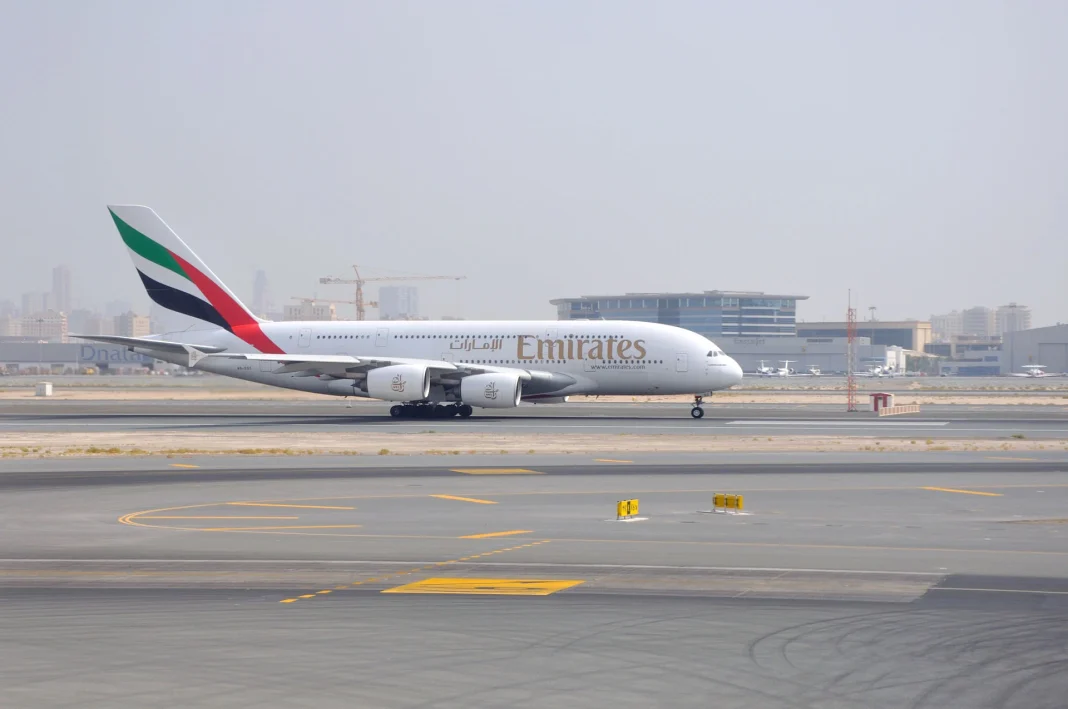
Within hours, airports closed, flights were cancelled, and thousands of Spaniards were stranded. The United Arab Emirates held the largest colony of Spanish citizens in the entire area, making Dubai and Abu Dhabi the logistical epicenter of the most serious consular crisis Spanish diplomacy has faced in decades.
The Evacuation Spain Had Never Done Before
From day one, the Ministry of Foreign Affairs activated a 24-hour operational crisis room, reinforced the diplomatic team at the most affected embassies, and set up emergency phone lines. Minister José Manuel Albares coordinated the operation with 15 ambassadors in the region via remote real-time communication, with a single directive: leave no Spaniard behind.
The evacuation was structured on two simultaneous fronts. By land, nine ground operations were organized: from Tehran to Baku on two occasions, from Jerusalem to Amman, from Tel Aviv to Cairo, from Bahrain to Riyadh twice, and from Kuwait to Riyadh three times. By air, aircraft from the Air and Space Army transported hundreds of citizens from Oman to Torrejón de Ardoz Air Base.
The Middle East and the Most Exposed Spanish Colony
Before the conflict, the Middle East was the destination of a growing Spanish community: engineers, entrepreneurs, and entire families who had found in Dubai, Abu Dhabi, or Qatar a lifestyle they couldn’t find at home. That life choice became overnight an unprecedented logistical trap.
The UAE, Qatar, Bahrain, Kuwait, Israel, Palestine, Jordan, Lebanon, Saudi Arabia, Oman, Syria, and Iraq: the Ministry urgently updated travel recommendations for all these countries. The scale of the affected map explains why this crisis has no parallel in Spanish consular history.
How the Operation Progressed Day by Day
The progression of the figures speaks for itself: 175 evacuees on March 2, 4,000 on March 7, 6,000 on March 10, 6,500 on March 11, and 7,000 on March 12. Each number represents a family that was able to board a flight, cross a border in a convoy, or board a military plane in the middle of the night. The speed of the operation was remarkable given the complexity of the terrain.
The operation in Iran was the most delicate: the ambassador and essential staff crossed the border into Azerbaijan on March 7, the day the Embassy in Tehran was temporarily closed. It confirmed that the conflict had reached a point of diplomatic no return for Spain in the region.
| Country/Route | Type of Operation | Status |
|---|---|---|
| Iran → Baku (Azerbaijan) | Ground (x2) | Concluded |
| Tel Aviv → Cairo | Ground | Ongoing |
| Jerusalem → Amman | Ground | Ongoing |
| Bahrain → Riyadh | Ground (x2) | Ongoing |
| Kuwait → Riyadh | Ground (x3) | Ongoing |
| Oman → Torrejón | Military Air (x3) | Ongoing |
| UAE / Qatar | Commercial Flights | Ongoing |
The Middle East After the Crisis: What Awaits the Spanish Community
With the conflict still active and more than 24,000 Spaniards still remaining in the region by choice or inability to leave, evacuation operations are expected to remain open for weeks. Albares has committed a fourth aircraft bound for Riyadh to rescue Spaniards in Qatar if the situation requires it, signaling that the operation has not closed off any avenue.
The advice from consular experts is clear: registering with the Consular Registration System before traveling or residing in risk zones is the only guarantee that the State knows where you are when everything fails. The Middle East has demonstrated in two weeks that no destination, however stable it may seem today, is shielded from a military escalation of these dimensions.
