

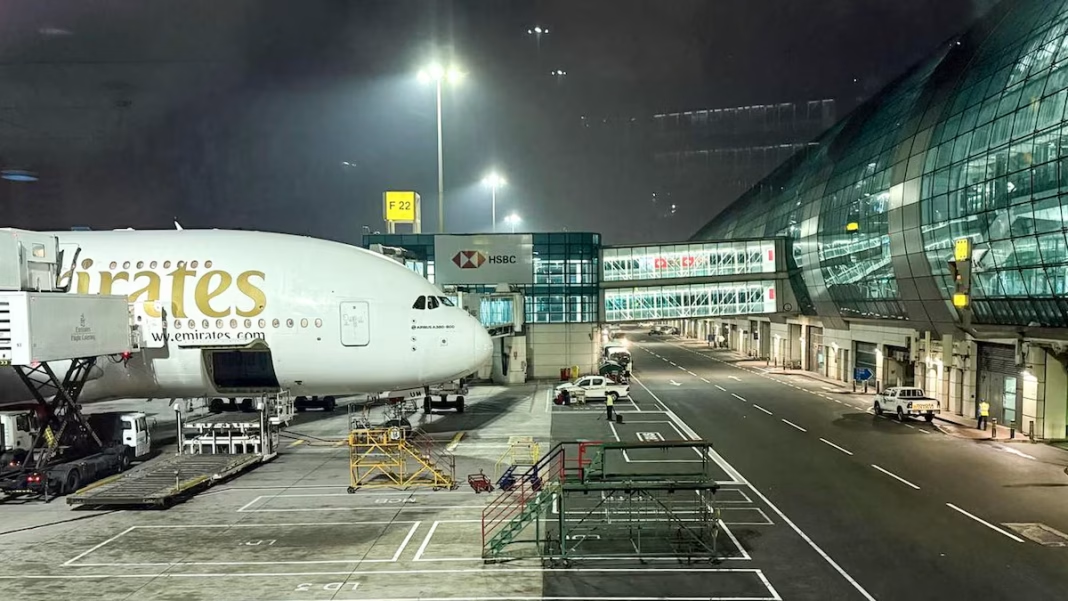
Dubai International Airport (DXB) remains with all commercial operations suspended following the impact of projectiles resulting from the military escalation between Iran, Israel, and the United States initiated early Saturday morning. Civil aviation authorities of the United Arab Emirates confirmed the total closure of its airspace after defense systems intercepted over a hundred drones and missiles aimed at critical infrastructure in the emirate.
The situation in Dubai represents the greatest challenge to the operational stability of the global “superconnector” in the last decade. The Emirati Ministry of Defense reported material damage in the northern area of the airport complex and four injuries among ground personnel, forcing airlines such as Emirates and FlyDubai to cancel more than 400 scheduled flights, affecting the logistical flow between Europe and Asia.
Total suspension of operations at the Dubai hub
The paralysis of transport infrastructure in Dubai has generated an unprecedented bottleneck in the international aviation network. According to the official statement from Dubai Airports, the closure measure will remain in effect until the Air Defense Command guarantees total safety of approach trajectories, currently compromised by military activity in the Persian Gulf.
The cessation of activities in Dubai not only affects passenger transport but has also interrupted supply chains for technological components and luxury goods. Logistics operators have begun diverting shipments to alternative ports, although the saturation of land routes complicates the immediate distribution of goods stranded at the Jebel Ali terminals.
Coordinated GCC response to the regional threat
Dubai is currently under a reinforced security protocol under the guidelines of the GCC, an organization that has convened an emergency meeting to evaluate the vulnerability of energy infrastructure. The activation of early warning systems allowed for the preventive evacuation of sensitive commercial areas before the detonations reported on Saturday night.
Technical cooperation within the GCC has facilitated the exchange of real-time radar data to neutralize incursions by unmanned systems. This military synergy seeks to prevent the instability in Dubai from spreading to other financial centers in the Arabian Peninsula, maintaining a posture of armed neutrality while managing external reprisals on Emirati territory.
Impact on financial markets and the tourism sector
The uncertainty generated in Dubai has caused immediate volatility in Brent crude oil futures prices, which recorded an increase of 4.2% in the first hours of trading. Energy sector analysts point out that the proximity of the incidents to export routes in the Strait of Hormuz raises the geopolitical risk premium to levels not seen since 2024.
In the tourism sphere, the city of Dubai faces mass cancellations of bookings for the first quarter of the year. Major international events and sports tournaments have been put on hold, with official delegations and elite athletes sheltered in hotel complexes awaiting safe air corridors for repatriation, directly impacting the federation’s non-oil GDP.
Tactical deployment in critical infrastructure zones
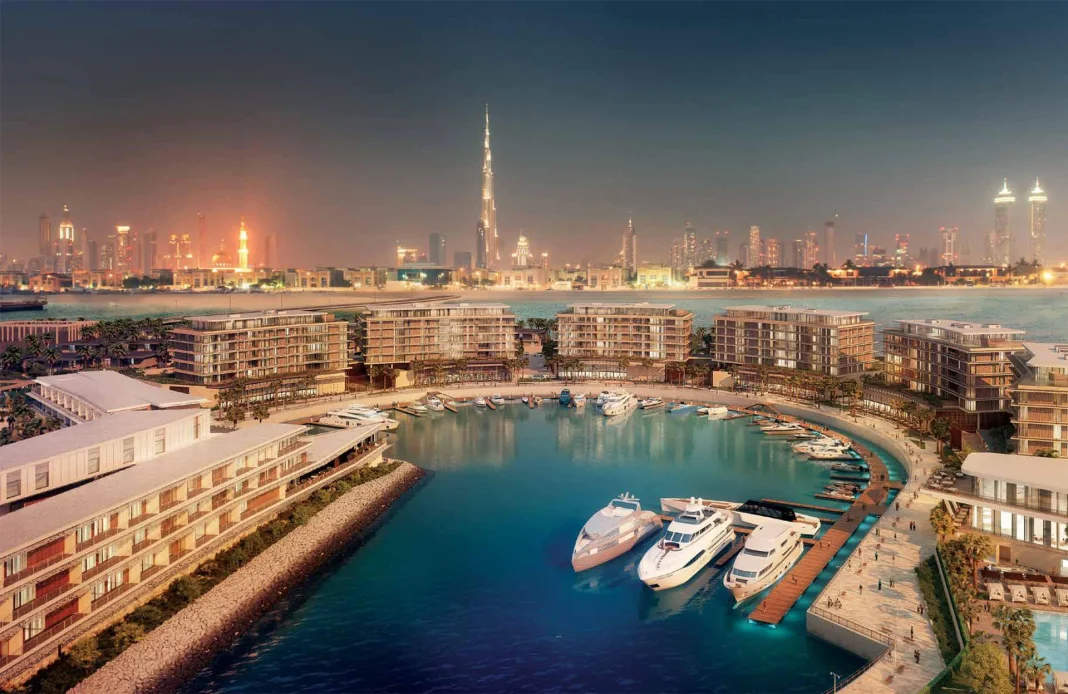
The Government has ordered a tactical deployment of security forces around the Burj Khalifa and industrial areas of Dubai to prevent secondary incidents. Although air defense managed to neutralize most threats, falling fragments in urban areas have forced the establishment of exclusion perimeters and the issuance of shelter alerts for the civilian population.
Protecting desalination plants and power stations in Dubai is the strategic priority of the armed forces at this time. Engineering teams are working continuously to repair minor damage at the cargo terminal, ensuring that the metropolis’s life-support systems do not suffer interruptions in the face of possible new waves of attacks in the region.
| Technical Indicator / Event | Recorded Data (Feb 28 – Mar 1) | Current Status |
|---|---|---|
| Cancelled flights (DXB) | 444 operations | Critical |
| Successful interceptions | 137 missiles / 209 drones | Active |
| Reported injuries | 4 civilians (airport staff) | Stable |
| Brent Crude Price | 94.50 USD (+4.2%) | Rising |
| Airspace Status | Total closure NOTAM | Restricted |
Analysis of Repercussions and Structural Impact
Recent events in Dubai mark a turning point in Middle Eastern security architecture. The vulnerability demonstrated by global transport hubs against asymmetric attacks forces a reconfiguration of integrated air defense strategies. Dubai’s resilience as a financial center will depend on the ability of its allies to de-escalate the conflict and restore confidence in the security of its trade routes.
At a structural level, the crisis in Dubai accelerates the need to diversify logistics routes and strengthen the defensive autonomy of Gulf States. The impact on international civil aviation underscores that any disruption in this geographical node has immediate systemic effects on the global economy, redefining investment priorities in critical infrastructure security for the remainder of the decade.