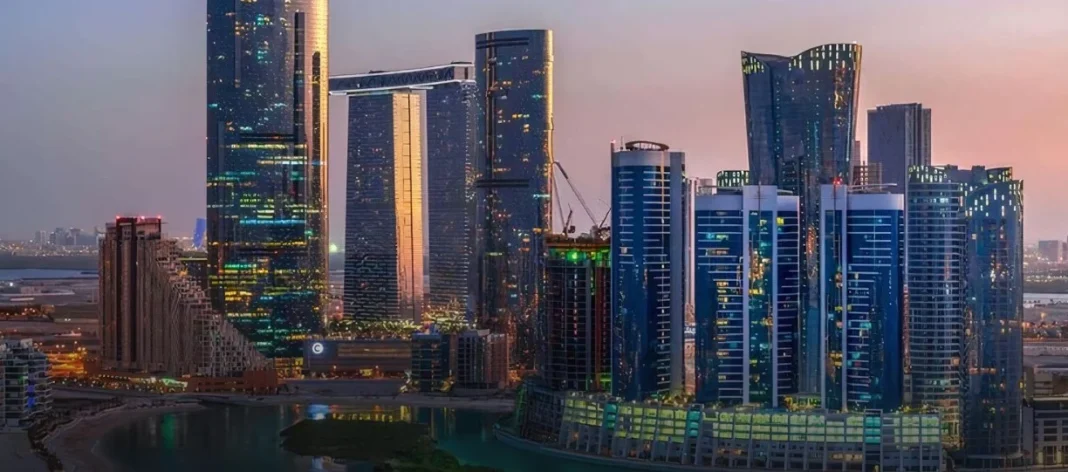


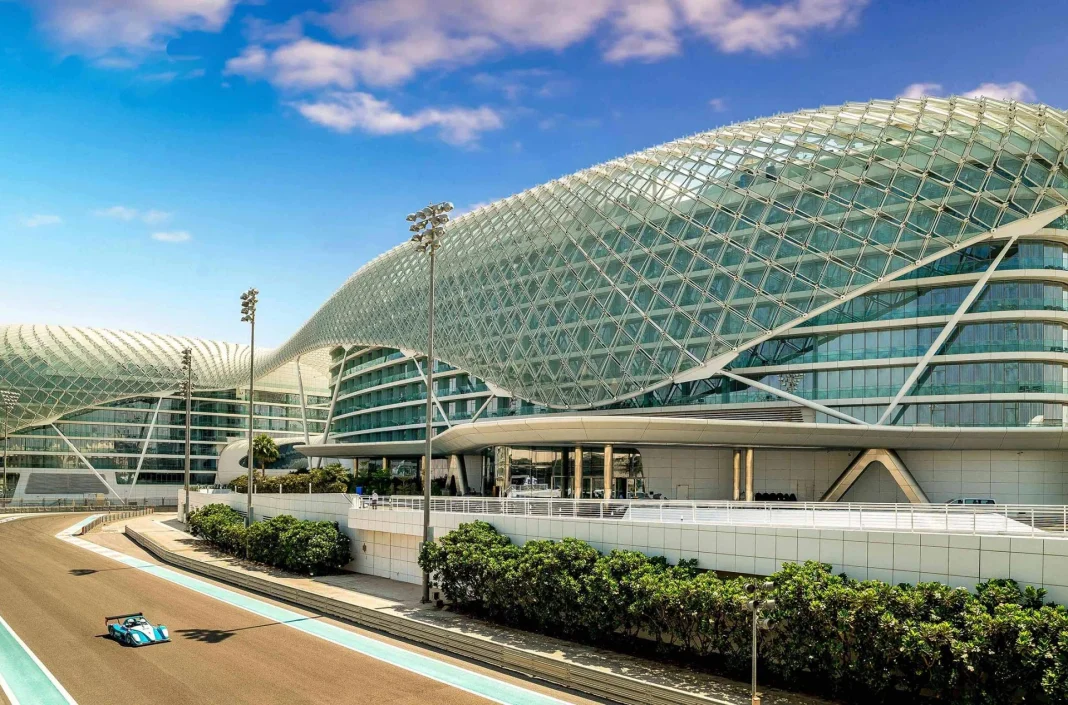
The Yas Island of 2026 has little to do with the one from a decade ago, which was almost reduced to the Formula 1 circuit and little more. Today it is a zone of Abu Dhabi where theme parks, hotels, artificial beaches, and a wave of new residential projects pile up, putting the island on the investor’s radar. The mix is clear: entertainment guaranteed all year round and a flow of tourists that barely lets up.
Since February 2026, with new expansion announcements in the north of the island and hotel occupancy data above 80% in recent seasons, the focus on Yas Island has intensified. The combination of Ferrari World, Warner Bros, and new residential promotions has skyrocketed interest in vacation rentals in this part of Abu Dhabi. For those seeking high rents in a short time, the message is simple: if you’re looking at the Emirates, this island can no longer be left out.
Yas Island: more than a theme park
Yas Island is an artificial island located about 30 minutes from downtown Abu Dhabi where the authorities decided to concentrate leisure, sports, and high-profile tourism. There coexist the Yas Marina Circuit, the Ferrari World and Warner Bros World parks, and several resorts that have turned the area into one of the emirate’s showcases. The visitor no longer comes just to see a race: they have reasons to stay several days.
In recent years, Yas Island and the neighboring Saadiyat Island have chained increases in visitors with double-digit growth. That constant traffic feeds hotels, shopping centers, and increasingly, blocks of apartments designed for short and medium stays. For the investor, what’s relevant is not only how many people arrive, but that the flow remains quite stable throughout the calendar.
Reports from consultancies and specialized agents point to gross returns that can approach 10-12% and, in some very fine-tuned cases, that 15% annual figure that appears in commercial brochures. It’s not magic, it’s the sum of high average ticket, recurring tourism, and a calendar packed with sports and leisure events. Those who enter thinking of “quick money” are wrong: here you win by understanding cycles and managing seasons well.
In this video, an agent explains how the arrival of the future “Disney Resort”-style complex and the expansion of adjacent residential areas reinforce the investment thesis in the Yas–Saadiyat corridor. The focus is on buying early in projects with good connections to the parks and the highway to downtown Abu Dhabi. Those who time the entry well can add asset appreciation and good vacation rental pace.
What has changed in the last year
Compared to the image of an isolated amusement park, the last year has consolidated Yas Island as an expanding urban piece. The northern area adds residential and commercial projects that close the circle: housing, leisure, education, and everyday services in a few kilometers. Thus, the neighborhood stops being just a vacation destination and becomes an option for high-salary residents too.
- In February 2026, Miral reported a 10% increase in visitors to Yas and Saadiyat compared to the previous year.
- In the summer of 2025, an 83% hotel occupancy rate was reported on Yas Island during the high season.
- Real estate reports place the annual appreciation of residential assets on the island at around 7-10% since 2022, with higher peaks in some areas.
- Promotions like those described in Abu Dhabi mix housing, green areas, and proximity to parks to target a mid-high segment willing to pay for location.
Beyond the specific figure, what matters is that the emirate has decided to concentrate public and private investment in this axis. That reduces the risk of ending up with an apartment in no-man’s-land. When infrastructure and institutional marketing push in the same direction, the small investor knows they’re not rowing alone.
How it hits the investor’s and tourist’s pocket
The impact is clear when you look at the pocket of those who arrive with a few days on Yas Island. The cost per night, both in hotels and apartments, has risen with the fame of the destination and has opened margins for owners who know how to work occupancy. In high season, it’s not uncommon to see rates that double those of the low months.
For those who buy, the key is to adjust expectations well. A well-located apartment, with professional management and careful presence on platforms, can approach annual occupancies close to that 85% in the best scenarios, although the market average is somewhat below. The risk is paying too much, inflating income in Excel, and discovering later that the numbers don’t add up.
The tourist, meanwhile, pays the price of sleeping inside the playground: being next to Ferrari World, Warner Bros, or the circuit reduces transfers, but makes each night more expensive. Many opt to combine stays in Yas with cheaper nights in other areas of Abu Dhabi, and that back-and-forth also conditions the owner’s rent planning. Here the battle is not just filling weekends, but working Monday to Thursday and in the less brilliant months.
In this video, a real estate investment expert in the Emirates breaks down why Abu Dhabi, and areas like Yas, are gaining weight over Dubai in 2026. He covers returns, entry costs, and regulatory framework, using Yas Island as an example of planned development where the rules of the game are clear. It’s useful for landing if this market fits your profile or not.
What Yas Island reveals about the new brick map
Beyond the postcard with roller coasters, Yas Island shows where brick is moving in the Middle East. The investor no longer seeks just “cheap square meters”; they seek ecosystems where leisure, city brand, and infrastructure quality sustain value over time. Abu Dhabi has understood that it competes with Dubai and any major global destination.
The scheme is simple: the emirate boosts large anchor projects —circuit, parks, shopping centers— and around them, the private sector builds housing and services to capture that flow of visitors. All supported by clear rules for foreign ownership in specific areas and a narrative of stability that contrasts with other emerging markets. For the small European investor, that regulatory environment weighs almost as much as the yield percentage.
That dynamic explains why talk of returns “up to 15%” without that number being the norm. In very specific areas of Yas Island, with well-positioned products and fine-tuned management, some operations approach that figure, but the reasonable band stays a bit lower. Knowing how to distinguish between aspirational ceiling and average reality is what separates the prudent investor from the one who just buys a catchy headline.
Dispelling doubts we all have
Doubts are normal when one considers sending their savings thousands of kilometers away. Yas Island sounds attractive, but also distant and complex. Here are quick answers to questions that repeat in calls and forums.
Q: Do you need to go for very high tickets to enter Yas Island?
R: There are promotions with more contained tickets, but most projects on the front line of leisure start from mid-high budgets.
Q: Does demand depend only on Formula 1?
R: No, the bulk comes from parks, shopping centers, and events throughout the year.
Q: Is it realistic to expect 15% annual return?
R: Only in very optimized cases; the sensible thing is to work with a lower band and leave 15% as an aspirational ceiling.
Q: What if I change my mind and want to sell?
R: Liquidity exists, but timelines and prices depend on the cycle and specific location within the island.
What may come in the coming years
Looking ahead, Yas Island still has room to grow. Projects like Yas Green and new residential phases in the north point to an increasingly self-sufficient island, with more green areas and services for permanent residents. That shift can stabilize long-term rental demand and reduce dependence on pure tourism.
The next steps for those considering entering pass through three clear moves: study the island’s map well, identify which areas concentrate demand today, and review contracts, community expenses, and ownership regime in detail. The theme park photo is not enough; you need to read the fine print and compare alternatives. An article like the one published on Yas Island helps understand the physical scenario, but the real decision is about numbers and management.
Meanwhile, the market will continue rewarding those who combine patience with cold analysis. Yas Island fits into that map of destinations where the story hooks and the numbers, if done right, follow. It’s not a lottery ticket, it’s a demanding board where it’s wise to enter knowing that, just like on the roller coasters in the parks, there will be ups, downs, and some tight curves.