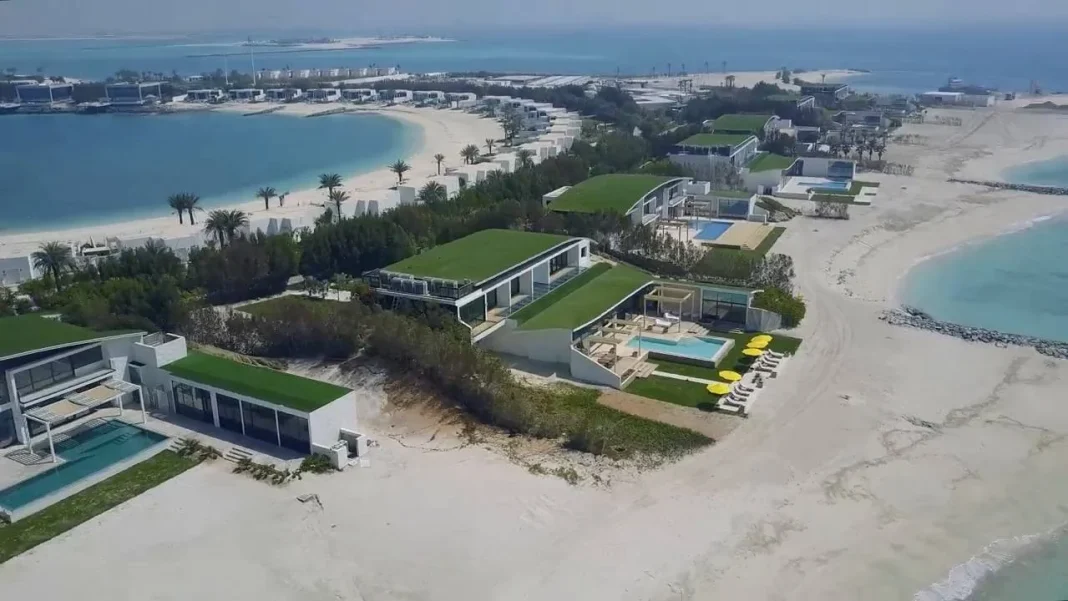


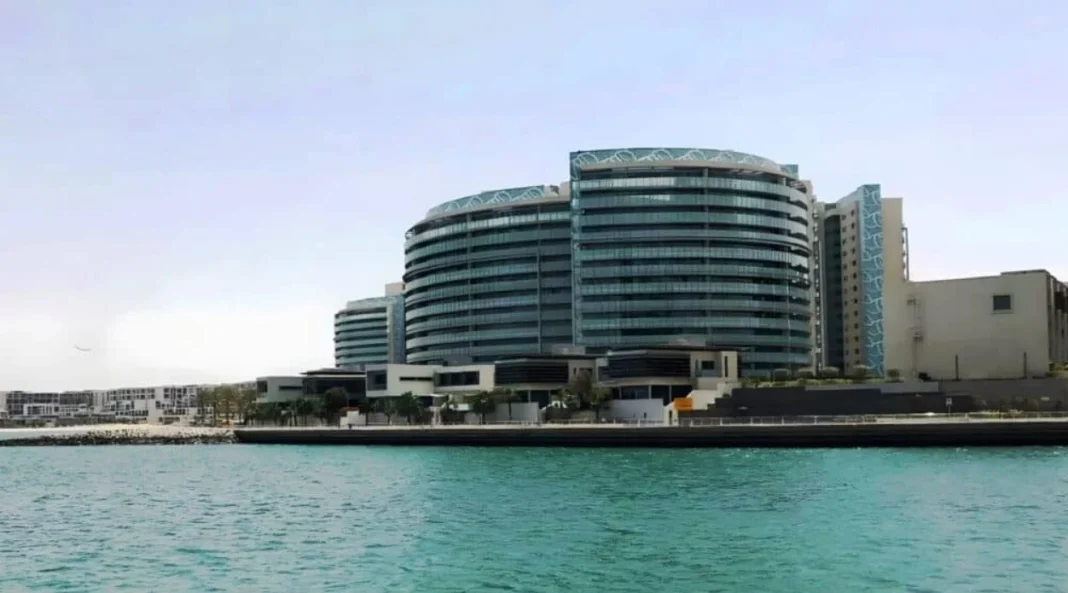
Saadiyat Island does not come up in typical conversations about real estate investment in the Emirates. Spaniards who want to diversify outside the euro look at Dubai, follow the same route as everyone else, and pay the premium of arriving late. Meanwhile, an island with an operating Louvre museum, a Guggenheim nine months from opening, and blue-flag-certified beaches keeps prices 30% below equivalent areas in Dubai Marina.
This island off the coast of Abu Dhabi recorded 847 transactions in the first quarter of 2026, a 34% jump compared to the same period in 2025. The average price per square meter rose from 7,120 to 8,420 dirhams in just twelve months. Institutional investors from Singapore and Norway bought 23% of the units available last January.
The best-kept secret of the Persian Gulf
Saadiyat Island combines three assets that no other area in the Emirates concentrates in 2.7 square kilometers: a cultural district with the Louvre Abu Dhabi operating since 2017, a Guggenheim designed by Frank Gehry scheduled for November 2026, and white-sand beaches certified with blue flags according to European standards. The French museum showcases 600 works by international artists under a 180-meter steel dome that has become an architectural icon.
Two-bedroom seafront apartments start from 1.1 million euros, a figure equivalent to properties in Marbella but with full exemption from capital gains, wealth, and inheritance taxes. The branded villas of Four Seasons Private Residences, to be delivered in 2029, start at 2.1 million euros for five bedrooms with a private beach. There are only 96 seafront villas on the entire island, 34 of them already sold in presale.
Abu Dhabi: Why it is exploding in February 2026
The market recognizes verifiable historical patterns. The Guggenheim Bilbao multiplied tourist traffic eightfold in five years after its opening in 1997; downtown properties rose 140%. Abu Dhabi is replicating this strategy by investing 8.2 billion dollars in cultural infrastructure between 2007 and 2026.
The data from the first quarter of 2026 show quantifiable records:
- Average price per square meter: 8,420 AED (+18.3% year-on-year)
- Average days to sell: 23 days (vs 47 in 2025, a 51% drop)
- Rental yield: 7.8% per year (vs 6.2% a year ago)
- Hotel occupancy on the island: 91% (versus 78% in January 2025)
| Area | 2024 price | 2026 price | Change |
|---|---|---|---|
| Four Seasons Saadiyat | 7.2M AED | 11.5M AED | +59.7% |
| Saadiyat Lagoons | 5.9M AED | 8.2M AED | +39% |
| Mamsha Al Saadiyat | 4.1M AED | 5.6M AED | +36.6% |
Pre-sales at The Source Terraces sold out in 72 hours during its launch in December 2025, a clear sign of pent-up demand.
How waiting affects your pocket
The price gap between buying today and waiting until after the opening widens month by month. A two-bedroom apartment in Mamsha Al Saadiyat that was listed at 1.18 million euros in January 2025 now costs 1.39 million. Investors who bought in 2024 with properties starting at 950,000 euros are reporting current valuations of 1.12 million without having received the keys.
The appreciation reaches 170,000 euros in 14 months, a figure that exceeds the annual return of traditional index funds. Holiday rentals in properties near the Louvre generate yields of 9.4% per year, well above the 5.2% offered by areas without cultural appeal.
Waiting for the “perfect moment” of the opening can mean paying 300,000 to 450,000 euros more for the same unit. The market is currently pricing in 60% of the Guggenheim effect; the remaining 40% will materialize between November 2026 and March 2028.
Why this museum structurally changes the game
The Guggenheim completes the only triple-anchor cultural district in the Persian Gulf: Louvre + Guggenheim + Zayed National Museum (scheduled for 2027). No other city in the region concentrates three global institutions in 2.7 square kilometers. This cultural density mirrors models like Museum Mile in New York or Museum Island in Berlin.
Abu Dhabi is shifting from an oil-based economy to an experience-driven cultural economy. Forty-seven percent of buyers in Saadiyat are cultural professionals, curators, artists, and academics relocating permanently, not speculators. This demographic mix stabilizes long-term prices.
In December 2025, a Spanish family office purchased four villas in Saadiyat Lagoons for 34 million dirhams (9.2 million euros) as diversification outside the euro. They do not plan to sell. They will rent them to multinational executives with 3–5-year corporate leases, securing a 6–8% annual yield.
Dispelling doubts we all have
Q: Do museums really boost property prices that much?
A: Bilbao (+140% in 5 years), Louvre Abu Dhabi (+89% in the adjacent area 2017–2023), Tate Modern London (+110% in Bankside 2000–2008). A consistent pattern.
Q: What if the Guggenheim is delayed again?
A: Construction is visible and the official date is November 2026. Infrastructure is 87% complete according to Emirati authorities as of January 2026.
Q: Is it safe to buy as a foreigner in the UAE?
A: Saadiyat is a freehold zone (full ownership for foreigners), with no capital gains or wealth taxes, and blockchain-based registration since 2024.
Q: How much capital do I really need?
A: Apartments from 1.1 million euros, villas from 3.8 million. Payment plans of 20% down payment + 80% during construction or local mortgages at 2.9% APR.
What those who understand the timing will do
The next nine months represent the critical window before the narrative shifts from “pre-opening” to “consolidated area”. Mubadala, the sovereign fund managing Saadiyat, has confirmed that 78% of luxury residences are reserved by foreign buyers, with 340% growth compared to 2024.
The last buildable plots in Saadiyat are expected to sell out in the third quarter of 2026 according to projections from Aldar Properties confirmed in January. After that, there will only be a secondary market with a 30–40% premium over developer prices. Al Maryah Island, the neighboring financial district, already closed direct sales in 2025.
While Dubai floods the market with 40,000 units per year, Abu Dhabi maintains a controlled supply of 8,000 premium units, prioritizing quality over volume. This planned scarcity strategy protects long-term investments. Investing in Saadiyat is not speculation: it is capturing value before global recognition sends the certainty premium soaring.