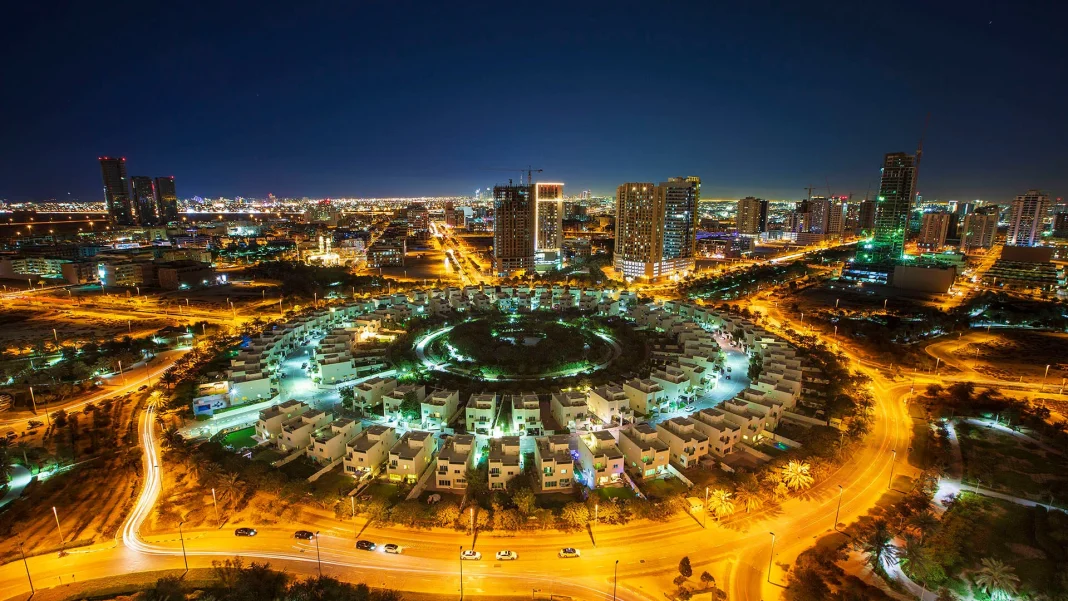


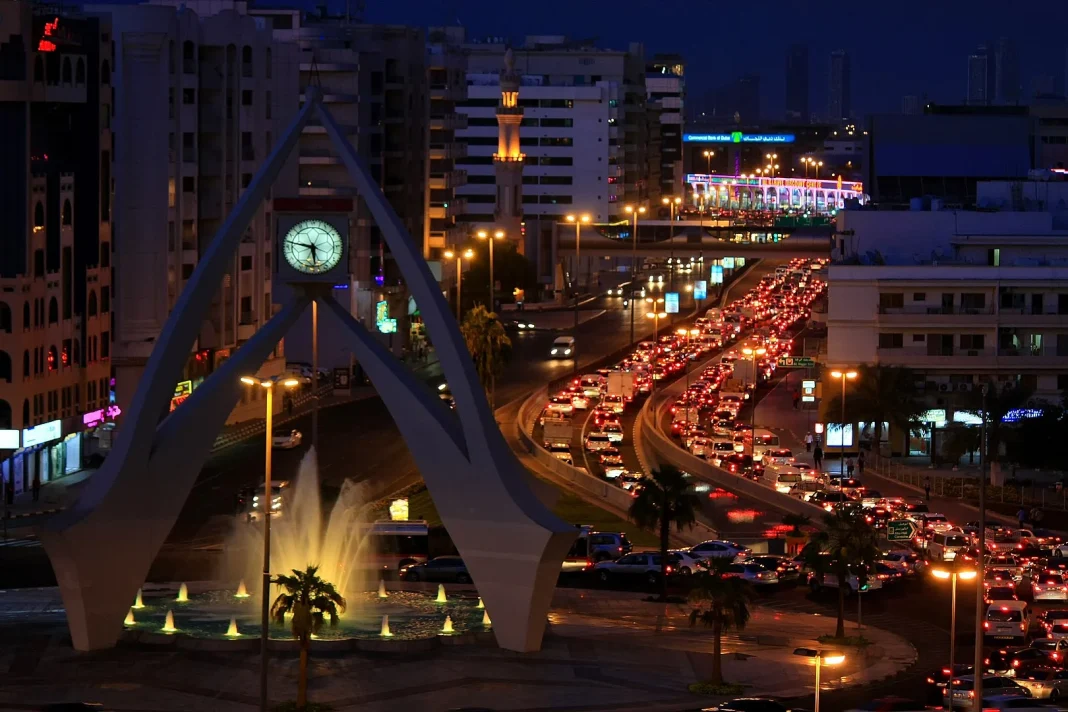
Dubai has just solved the dilemma tormenting any cryptocurrency holder: how to convert your digital assets into a tangible asset without losing 40% along the way to the Tax Authority, bank conversions, and endless bureaucracy. The city offers a system where you sign the deed for an apartment overlooking the Burj Khalifa in less time than it takes to withdraw money from a traditional Spanish bank.
The change accelerated dramatically in January 2026, when real estate transactions paid with cryptocurrencies grew 340% year-over-year according to official data from the Dubai Land Department. Developers like DAMAC Properties, Sobha Realty, and developments in Meydan One close operations in an average of 28 minutes from crypto transfer to digital signature. Dubai positions itself as the ultimate destination to materialize digital gains without tax erosion.
How Bitcoin Purchases Work Without Leaving Home
The process eliminates traditional intermediaries and simplifies what would require weeks in Spain. First, you select the property (apartment in Dubai Marina, villa in Arabian Ranches, studio in Business Bay) through digital portals of developers like DAMAC, Sobha, or Emaar. After booking with a 10-20% deposit, you send Bitcoin, Ethereum, or USDT to authorized gateways like Binance Pay or Coinbase Commerce.
These platforms instantly convert your crypto to AED dirhams (official currency) to comply with Dubai Land Department regulations, which require registration in local currency. The conversion is automatic, transparent, and without hidden fees. You receive digital confirmation, sign the contract via blockchain platform, and obtain the officially registered property title. All from your couch in Madrid, Barcelona, or anywhere with an internet connection.
Why January 2026 Marks the Turning Point
The crypto-real estate boom doesn’t emerge from nowhere. Four catalysts converge simultaneously:
- Bitcoin spot ETF approval in the U.S. (January 2024) triggered institutional legitimacy, pushing Bitcoin price from $45,000 to $98,000 in 18 months
- New Dubai Land Department regulations (January 2026) formalize authorized crypto gateways, eliminating the previous legal gray area
- Intensified European tax pressure: Spain tightened crypto declaration (model 721) and taxation up to 28% on capital gains, pushing investors toward tax havens
- Property tokenization announced: Emirati government plans to tokenize 40,000 properties before 2027, allowing fractional purchases from $10,000 with stablecoins
The result: 247,000 TikTok users share crypto purchase testimonials, accumulating 480 million views on #DubaiCrypto content during January 2026. The virality reflects real demand from investors trapped between unrealized crypto gains and hostile banking systems.
The Real Consequences of Converting Bitcoin into Bricks
Compared to crypto volatility, Dubai real estate offers quantified stability. A $1.5 million apartment in Al Habtoor City generates $120,000 annually via Airbnb according to Q4 2025 data. That same capital in Bitcoin can evaporate 30% in a market correction, as happened in May 2021 or November 2022.
Additionally, Dubai grants an automatic 10-year Golden Visa for investments exceeding 2 million AED ($545,000), allowing tax residency in a haven free from income tax, capital gains tax, and inheritance tax. Compared to Spain where you sell crypto, pay 28% on capital gains, then 21-47% income tax on rental income, the difference accumulates to hundreds of thousands of euros over a decade.
The risk: liquidity. Reselling a property in Dubai takes 3-6 months on average versus seconds selling Bitcoin. But for long-term holders seeking diversification and alternative residency, the trade-off favors tangible assets in a pro-crypto jurisdiction.
Why This Matters Beyond the Crypto Niche
Beyond the Bitcoin investor, this model reveals a structural shift in global finance. For the first time, internet-native digital assets are officially integrated into traditional real estate markets without intermediate bank conversion. You don’t need to “take the money out” of the crypto ecosystem: you move it directly to a property deed.
| Metric | Dubai crypto | Spain traditional |
|---|---|---|
| Closing time | 28 minutes | 45-90 days |
| Gain taxation | 0% | 28% |
| Intermediaries | 1 (gateway) | 4+ (bank, notary, manager, registry) |
This meta-analysis explains why investors aren’t just seeking profitability: they’re seeking financial systems that recognize crypto assets as legitimate money without punitive friction. Dubai builds competitive advantage as a crypto-friendly global hub while Europe debates whether Bitcoin is currency or commodity. The difference is no longer philosophical: it’s practical, measurable, and migratory.
What’s Coming for Investors and the Tokenized Market
Looking ahead, the Emirati government accelerates tokenization of existing properties. Emaar is already piloting a system in Dubai Hills Estate: you buy 5% of a penthouse for $50,000, receive an NFT property certificate on Ethereum blockchain, collect proportional monthly rent automatically via smart contract.
| Actor | Expected Action | Timeline |
|---|---|---|
| Dubai Land Department | Official blockchain registry | Q2 2026 |
| Developers (Damac, Emaar) | 100% tokenized properties | 2027 |
| Retail investors | Fractional access from $10K USD | Q3 2026 |
Simultaneously, European regulatory pressure on undeclared crypto holdings will intensify capital exodus toward permissive jurisdictions. Spain already requires declaring holdings exceeding €50,000 on foreign exchanges, while Dubai eliminates all taxation on digital transactions. The equation favors migration not only of people, but of entire estates seeking intergenerational preservation.
Key Questions to Understand Everything
Q: Can I obtain residency by buying with cryptocurrencies?
A: Yes, investments exceeding $545,000 USD grant an automatic 10-year Golden Visa, regardless of payment method.
Q: Is it legal to declare the purchase to the Spanish Tax Authority?
A: Yes, you must declare the crypto sale on your tax return (capital gains) and foreign property via model 720 if it exceeds €50,000.
Q: Which developers accept Bitcoin directly?
A: DAMAC Properties, Sobha Realty, Emaar (via AED conversion), RAK Properties, and projects in Meydan One through Binance Pay.
Q: Can I finance part with a traditional mortgage?
A: Yes, Emirati banks finance up to 80% for residents and 50% for non-residents, but the down payment must be paid in cash or converted crypto.