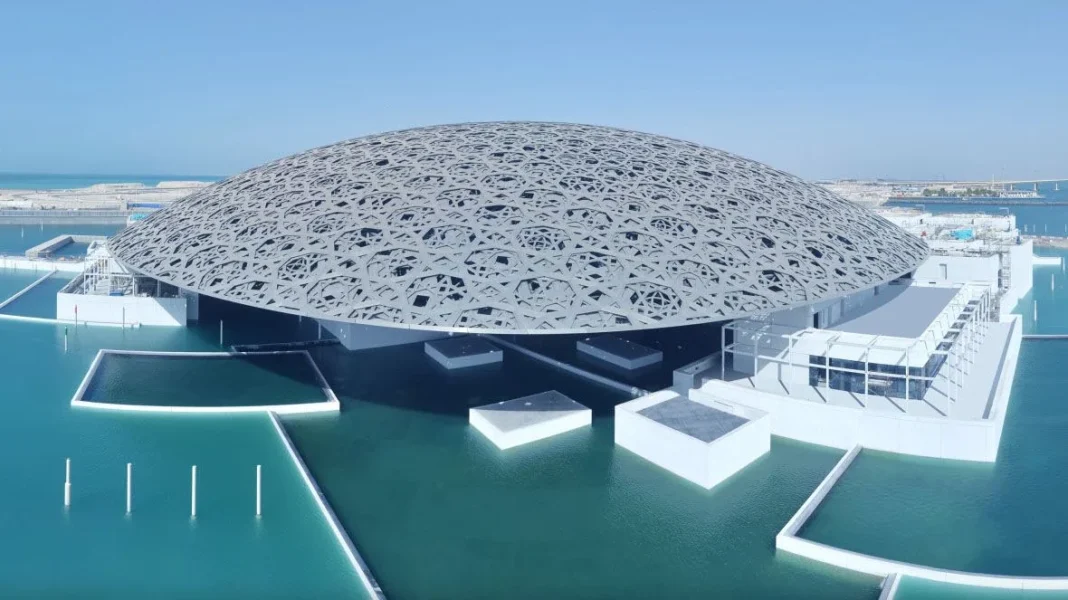


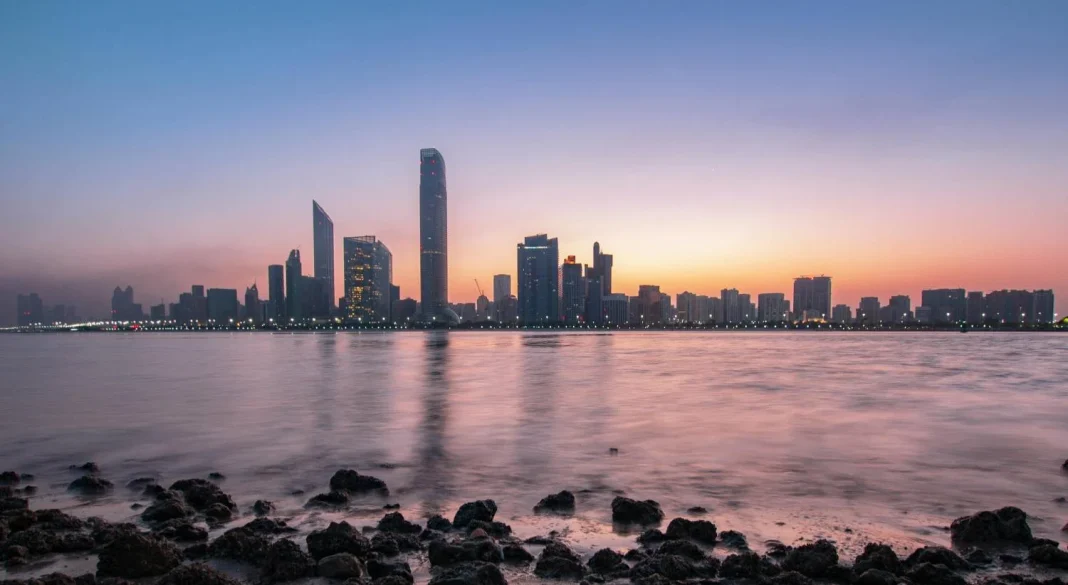
Abu Dhabi is no longer the invisible emirate for European fortunes who believed only Dubai granted Golden Visas. The Emirati capital accelerates the attraction of international investors who discover too late an uncomfortable secret: the golden residency program was never exclusive to its glamorous neighbor.
The question hits hard in February 2026 with unprecedented force when dozens of European tax advisors confirm that thousands of clients ignored for years that Abu Dhabi qualifies under the same federal program since 2019, with the additional advantage of a less saturated market in premium developments such as Al Reem Island or Yas Island.
The Program No One Saw Coming Until Now
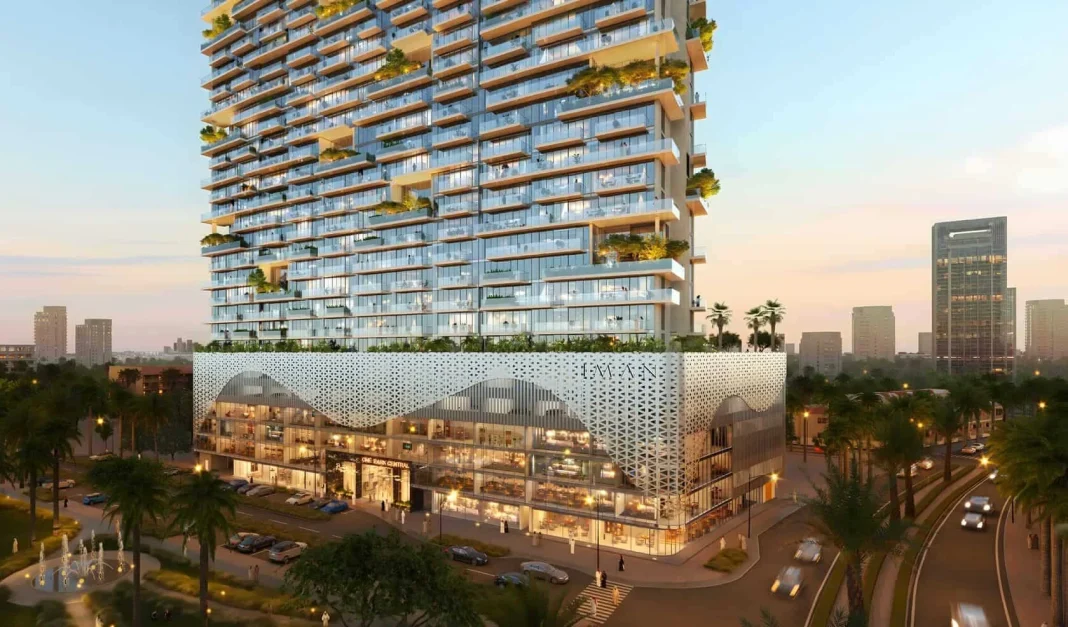
The United Arab Emirates Golden Visa operates as a single federal program with uniform requirements across all emirates. To qualify via real estate investment, you need to prove 2 million dirhams (approximately 545,000 USD or 500,000 EUR) in properties registered with authorities in any emirate. This threshold can be reached through a single property or by combining multiple assets: two apartments of 1 million AED each in Al Reem Island qualify the same as a single villa in Dubai Marina.
The process ignores internal borders between emirates. An investor with a 1.2M AED apartment in Abu Dhabi and an 800,000 AED villa in Sharjah adds up to 2M total for the federal visa. The visa guarantees renewable 10-year residency without mandatory local sponsor or taxes on personal income, capital gains, or wealth.
Why Europeans Are Accelerating Their Exit to Abu Dhabi in 2026
January 2026 marks a turning point when demand for off-plan properties in Abu Dhabi registers 18% year-over-year growth driven by European buyers. The average housing price in the capital stands at 2.8 million AED (760,000 USD), a level lower than Dubai’s but with superior appreciation potential in emerging areas. The figures reveal structural change:
- 40% of active buyers come from India, China, Europe, and the Gulf Cooperation Council in off-plan developments
- Rental yield of 7-9% annually in premium areas such as Yas Island and Al Raha Beach exceeds the European average of 3-4%
- Ramhan Island, a development located 20 minutes from downtown, promises returns superior to Palm Jumeirah with 30% lower initial investment
- Ghadan 21 program reforms channel billions into infrastructure that elevates the emirate’s global competitiveness
Facing European taxation that reaches 45-50% in direct taxes plus levies on wealth and inheritance, the Emirati zero-tax environment attracts high-net-worth professionals seeking immediate legal optimization.
How the Tax Play Changes the Wealth Equation
The fiscal mechanism behind it is brutal in its simplicity: the United Arab Emirates does not tax personal income, capital gains, dividends, or wealth. A European businessman who bills 500,000 EUR annually pays between 200,000-250,000 EUR in taxes in Spain, France, or Germany. That same income in Abu Dhabi with Emirati tax residency generates zero local tax obligation on personal income.
The advantage multiplies with real estate wealth. A property portfolio valued at 5M EUR generates in Europe annual wealth taxes between 15,000-40,000 EUR depending on the country, plus capital gains of 19-28% when selling. In Abu Dhabi, that same portfolio generates no annual wealth levy or capital gains tax when liquidating. An investor who appreciates a real estate portfolio by 2M EUR in 5 years saves between 380,000-560,000 EUR in capital gains that would have been taxed in Europe.
The Meta-Analysis That Tax Advisors Share Privately
Beyond specific tax savings, what transforms wealth decisions is the compound effect of non-taxation over decades. A professional who transfers tax residency to Abu Dhabi at age 40 with a wealth of 2M EUR and the ability to generate 300,000 EUR annually accumulates in 25 years a wealth differential exceeding 7M EUR compared to maintaining residency in a high-taxation European jurisdiction.
This explains why investors from the United Kingdom, France, Germany, and Spain lead purchases in Abu Dhabi’s premium developments since early 2026. The Emirati market experiences transformation: they are no longer temporary expatriates, but families planning permanent relocation with school-age children, attracted by new international schools opening campuses on Yas Island and Masdar City.
Meanwhile, while the European Union tightens tax regulations with anti-avoidance directives and global minimum taxes, the Emirates maintains institutional commitment to a zero personal tax environment guaranteed by decades of consistent economic policy.
What Unleashes Dubai vs Abu Dhabi Competition in 2026
Looking ahead, Abu Dhabi accelerates differentiation from Dubai with mega-infrastructure projects that will alter regional hierarchy. Hudayriyat Island is emerging as the new social and tourist epicenter of the capital, with investment that will generate thousands of jobs and revitalize the local economy on an unprecedented scale. Meanwhile, the underwater aquarium inaugurated in January 2026 with an investment exceeding 2.1 billion euros and 15 million fish consolidates Abu Dhabi as a premium tourism destination.
| Area | Average price per m² | Annual rental ROI | Projected appreciation 2026-2030 |
|---|---|---|---|
| Yas Island | 3,200 USD | 8-9% | 35-40% |
| Al Reem Island | 2,800 USD | 7-8% | 30-35% |
| Masdar City | 2,600 USD | 6-7% | 25-30% |
| Ramhan Island | 2,400 USD | 9-10% | 45-50% |
The Emirati government bets on economic diversification that reduces oil dependence while attracting foreign direct investment with long-term visas. The next 24 months will define whether Abu Dhabi consolidates the attraction of European fortunes as a serious alternative to Dubai, or whether it remains a secondary option for investors who prioritize price over glamour.
Key Questions to Understand Everything
Q: Is Abu Dhabi’s Golden Visa different from Dubai’s?
A: No, it’s the same Emirati federal program valid in all emirates since 2019.
Q: How much do I need to invest to qualify?
A: Minimum 2 million AED (545,000 USD) in properties, can be a single one or sum of several.
Q: Can I combine properties in Abu Dhabi and Dubai?
A: Yes, the program adds up values of all properties registered in your name in the UAE regardless of location.
Q: What taxes do I pay as an Emirati tax resident?
A: Zero taxes on personal income, capital gains, dividends, wealth, or inheritance.