

Marbella has become an expensive trap for those looking to rent: €1,400–1,800 per month for 50 square metres, with no chance of building any equity. You pay, you live, you leave. The annual bill exceeds €20,000 that disappears without creating any assets, while the owner racks up capital gains year after year.
Against this backdrop, the real estate market in Dubai is exploding in February 2026 with record figures: the emirate reached transactions worth 761 billion AED in January, driven by new off-plan projects in Business Bay and Jumeirah Village Circle where apartments from €180,000 allow you to buy with the same investment that is required as an upfront payment to rent on the Costa del Sol.
The math that dismantles perpetual renting
The cost of renting in Marbella is close to €17.59 per square metre in 2025, with annual increases above 5%. A 60 m² studio requires €1,055 per month plus expenses: €12,660 per year that does not build any assets. In three years you will have paid almost €38,000 in rent without acquiring any property.
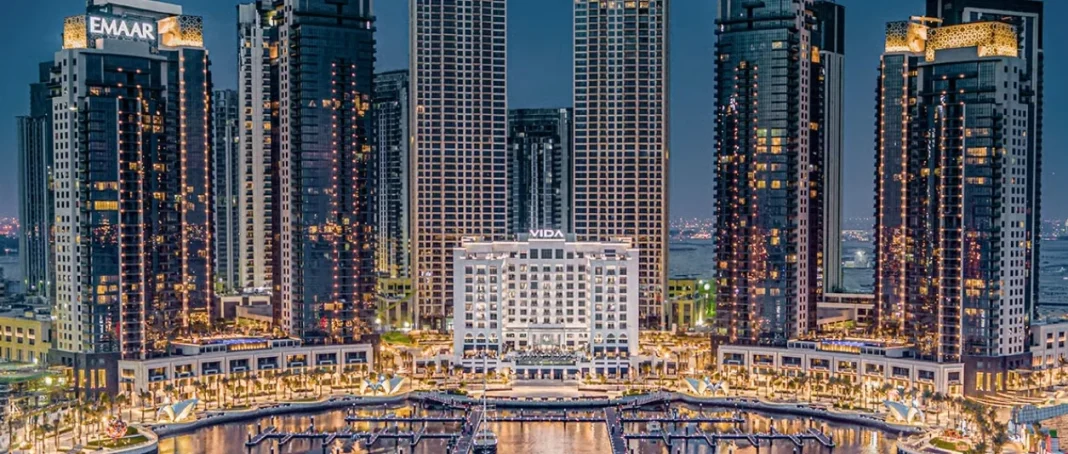
Meanwhile, Dubai operates with a radically different investor logic. Projects in Business Bay start with one-bedroom apartments from 975,000 AED (around €240,000), but the staggered payment system lowers the entry barrier to just €36,000–48,000 (20% upfront), an amount equivalent to two years of rent in Marbella.
Why this moment is key in the Emirati market
January 2026 marked a turning point: Dubai’s real estate market recorded transactions at record value while the Golden Visa expanded criteria for off-plan properties with a minimum investment of 2 million AED. This combination has fuelled demand from European investors seeking verifiable returns versus Spanish volatility.
The explosion of projects in strategic areas responds to quantifiable factors:
- Business Bay is seeing the delivery of 592 apartments by December 2026 with rental yields of 6–8% per year
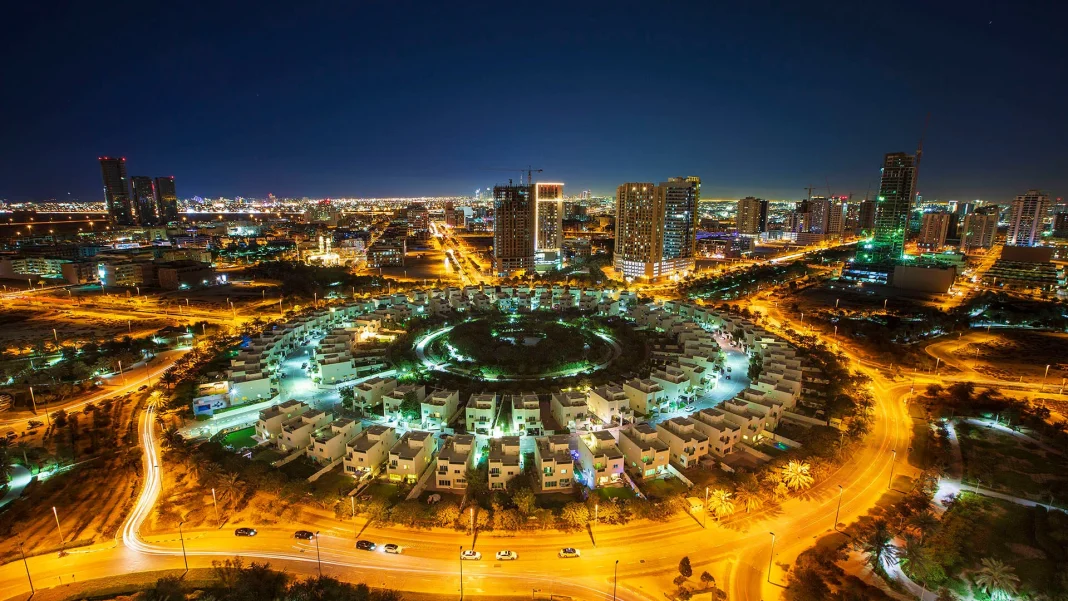
- Jumeirah Village Circle concentrates developments from €180,000 with projected ROI of 8–14% in holiday rentals
- The appreciation of off-plan projects has climbed from €320,000 to more than €400,000 in under 12 months]
- The tourism market supports occupancy rates above 85% in prime areas such as Downtown Dubai
This combination of immediate profitability (rent) plus projected appreciation makes the investment a solid alternative to the Spanish model of perpetual renting with no return.
How this hits the Spanish tenant’s pocket
The impact is measured in lost opportunity. Anyone renting in Marbella shells out between €1,400–1,800 per month for a basic home without generating any equity. In five years, that outlay exceeds €84,000–108,000 evaporated. Zero ownership, zero profitability, zero tax protection.
Buying in Dubai with a 70/30 plan flips the equation: a 20% down payment plus staggered instalments until handover (December 2026 in projects such as Binghatti Skyrise). The apartment generates rental income from handover onwards (6–8% per year in long-term lets), gradually recouping the initial investment while the asset appreciates in a market with no taxes on capital gains or wealth.
The hardest blow comes when you calculate the difference in net worth over a five-year horizon: the Spanish tenant will have spent more than €100,000 without owning anything, while the owner in Dubai accumulates a growing asset, rental cash flow and structural tax protection.
The mechanism that changes the rules of the real estate game
Beyond prices, there is a structural shift in how wealth is built. The Spanish model penalises tenants with rising rents (a 10.09% year-on-year increase in Marbella between 2023–2024) and limits buyers with aggressive taxation: municipal capital gains tax, income tax on rents, property tax, community fees. Net returns are diluted.
Dubai removes those systemic brakes. Zero income tax, zero wealth tax, zero capital gains tax on sale. Off-plan projects allow staggered entry (20–30%) and deferred payment until handover, freeing up liquidity to diversify. The average European investor can position multiple assets with the same amount they would tie up in a single Spanish property.
This mechanism explains why Spanish investors are redirecting capital: it is not just about profitability (even though 6–8% is well above the Spanish 3–4%), it is about tax optimisation plus financial flexibility plus accelerated appreciation in a market growing at a sustained 5–7% per year. The comparison between 2026 and 2025 shows something forceful: those who bought two years ago in areas like Business Bay already hold capital gains of 20–25%, while rents in Marbella keep rising without benefiting the payer.
What steps to take if you are trapped in the rental cycle
The next 6–8 months mark a critical window. Projects with handover in December 2026 still allow entry under 70/30 plans, but demand from European investors is squeezing inventory. Those who act now access pre-handover prices; those who wait will buy on the secondary market with a 15–20% premium.
| Action | Timeline | Impact |
|---|---|---|
| Personal tax analysis | February–March 2026 | Defines Golden Visa eligibility |
| Selection of off-plan project | March–April 2026 | Secures available inventory |
| Reservation with 20% down payment | April–May 2026 | Locks in pre-appreciation price |
| Handover and rental activation | Q4 2026 | Starts cash flow |
In parallel, the Emirati tax structure allows you to create a personal holding company to channel investments without direct taxation, a strategy that is out of reach for small investors in Spain. Specialist firms report a 40% increase in enquiries from Spaniards during January 2026, a sign that the market is already reacting.
The next obstacle is not finding the right property, but breaking the mental inertia that equates “real estate investment” with “local market”. Dubai offers liquidity, profitability and tax protection that Marbella cannot replicate. The real question is: how many more years will you pay rent before converting that expense into an income-generating asset?
Key questions to understand everything
Q: How much do I need upfront to buy in Business Bay?
A: Between €36,000–48,000 (20% of the price) with payment plans through to handover in December 2026.
Q: Can foreigners buy property in Dubai without restrictions?
A: Yes, in freehold areas such as Business Bay and Jumeirah Village Circle there are no restrictions for international investors.
Q: What real returns do apartments in these areas generate?
A: Between 6–8% per year in long-term rentals and up to 8–14% in holiday rentals depending on location.
Q: How long does the Golden Visa take after buying property?
A: Certified investments from 2 million AED allow immediate application, with the full process taking 60–90 days.