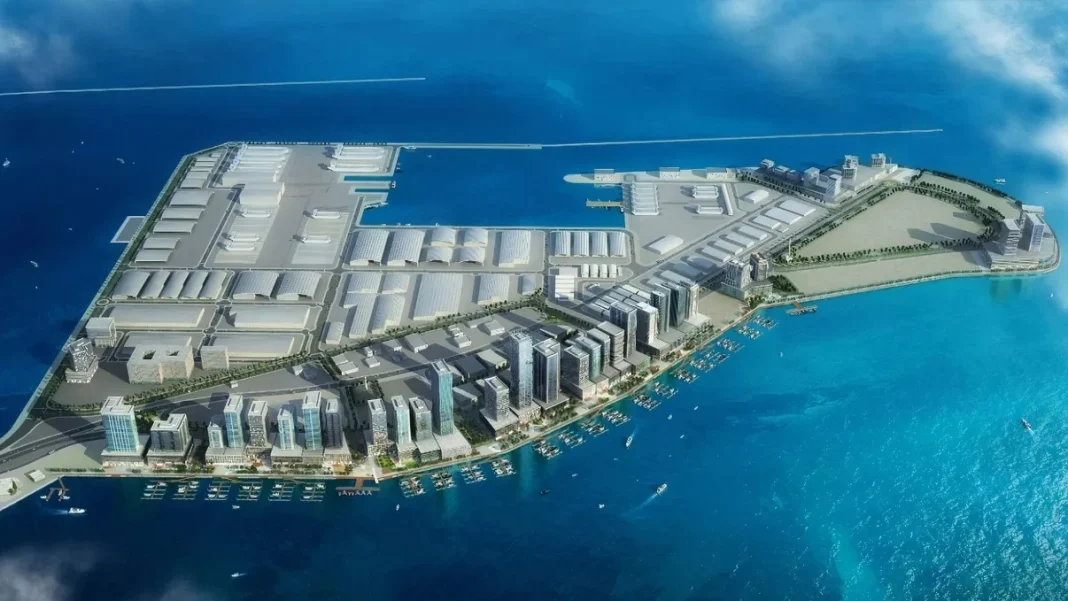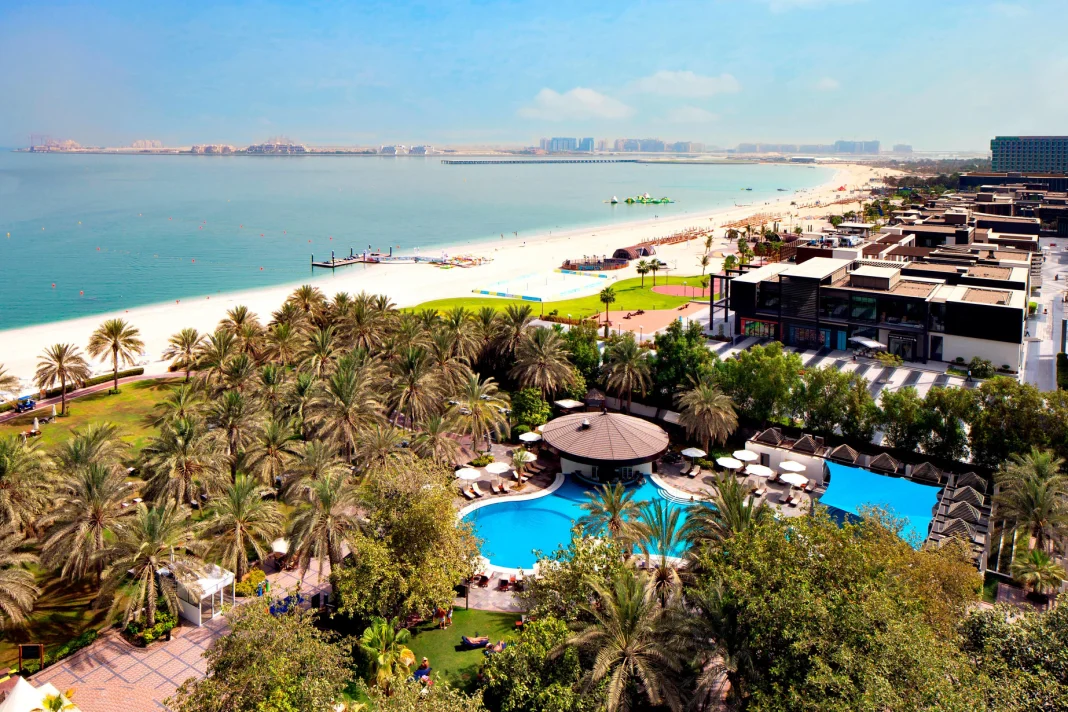



Fujairah and Dubai have become two very different faces of the same real estate bet in the Emirates. In recent years, the flow of foreign capital has put the spotlight on how returns are split between established areas and emerging markets. Many savers are already looking beyond the classic skyline and wondering how much upside really remains in each emirate.
For the investor comparing numbers, the contrast is striking: yields of 6–8% in prime neighbourhoods versus projects in the northern emirates that promise more than 9%. This difference opens up an uncomfortable debate about risk, market depth and tenant quality. Understanding what sits behind those figures is key to not being swayed solely by the shine of an attractive percentage.
Fujairah and the northern emirates on the map
When people talk about the Emirates, many only think of skyscrapers, but the northern emirates have been quietly gaining weight for years. This group includes territories such as Fujairah, Ras Al Khaimah or Ajman, traditionally more low‑profile than the major investment hotspots. However, their combination of moderate prices and early‑stage tourism development is beginning to change the picture for the patient investor.
These jurisdictions offer a more accessible entry point and, at the same time, exposure to projects linked to ports, logistics and beach leisure. The effect is twofold: the base of potential demand expands and diversifies away from the corporate and luxury profile that dominates in other areas. For those seeking stable cash flow with smaller tickets, these geographies are becoming increasingly attractive.
At the same time, the federal‑level regulatory framework and infrastructure upgrades are closing part of the historical gap with the major urban hubs. New roads, airport connections and tourism developments reinforce the perception of project continuity. The scenario looks more like a market in transition than a simple peripheral experiment.
How a 9%+ yield is built
The jump in returns in the northern emirates does not appear out of nowhere; it stems from a combination of low purchase prices and growing demand. When the cost per square metre starts from contained levels, small rent increases make it possible to reach double‑digit yields on paper. That is where part of the appeal lies for those comparing with European markets where 4% is already considered reasonable.
In this context, the choice of asset makes the difference between a theoretical yield and income that is actually collected. Well‑located projects, with a residential or mixed‑use focus and close to employment hubs, tend to hold the numbers better. For this reason, many analysts place Fujairah in the category of markets still to mature, where the upside comes both from rental income and from potential land appreciation.
✓ Lower entry tickets than in consolidated premium areas
✓ Possibility of capturing early stages of tourism and logistics development
✓ Larger spreads between rent and acquisition cost in some segments
The flip side of that equation is that not all developments or neighbourhoods are able to absorb the same level of demand. Without a fine‑tuned reading of occupancy, tenant profiles and leasing times, the expected 9% can end up being a purely theoretical figure. This is where the investor must closely analyse not only the marketing brochure but also the real depth of the local market.
Dubai: stability, liquidity and the “textbook” 6–8%
Compared with the eye‑catching percentages in some northern emirates, Dubai plays in a different league built on liquidity and reputation. The city’s premium neighbourhoods, from business districts to established residential enclaves, have stabilised at gross returns that usually range between 6% and 8%. For many capital profiles, that band represents a comfortable balance between recurring income and perceived safety.
The appeal is not only in the percentage, but also in how easy it is to buy, finance and sell assets relatively quickly. Market depth, the presence of professional operators and international demand support occupancy even in more volatile cycles. In addition, tourist and short‑stay rental income adds an extra layer of potential for those who take an active management approach.
This dynamic turns Dubai into a sort of regional benchmark against which the rest of the emirates are measured. Many investors use the city as the anchor of their portfolio and allocate only a portion to more tactical bets in emerging locations. In this way, they aim to capture some extra yield without giving up a stable core with historically proven figures.
The real meaning of “higher returns”
Talking about returns above 9% may sound irresistible, but it forces some uncomfortable questions. The first is whether the local market has enough depth to absorb new supply without sending vacancy rates soaring. The second is whether the type of tenant associated with those projects guarantees timely payments and long‑term contracts, or whether we are dealing with more volatile occupancy that depends on specific seasons.
Moreover, the idea of risk‑adjusted return helps frame the debate beyond the simple percentage. A 7% yield in a prime district with high liquidity is not the same as 10% in a location where selling a unit takes months. At this point, many advisers recommend combining expected annual income, probability of vacancy and exit horizon before making a decision.
The other key angle is operational: who manages the property, how arrears are controlled and what real cost structure the asset bears. Community fees, maintenance, insurance and potential vacant periods can significantly erode the initial figure shown in brochures. Only by putting all these elements on the table can you make a fair comparison between Dubai and the northern emirates.
Strategies to combine Dubai and Fujairah in a portfolio
Rather than picking an absolute winner, many sophisticated investors opt for a blended approach between safety and potential. Part of the portfolio is allocated to assets in Dubai, prioritising established areas with proven demand and tested regulatory frameworks. That base acts as a cushion of relatively predictable cash flow even in periods of greater global volatility.
On top of that stable core, it makes sense to add tactical positions in markets such as Fujairah or other northern emirates with clear growth stories. Here, the weight of each bet is usually smaller, aiming to capture capital appreciation and higher yields without undermining overall stability. It is a pragmatic way to benefit from yield spreads while maintaining a degree of control over aggregate risk.
Finally, discipline at the time of purchase and regular number‑crunching are essential for the strategy to work. Closely tracking occupancy, rental trends and new projects in the pipeline allows investors to adjust exposure before the cycle turns. In the end, the key is not so much to chase the highest percentage, but to build an income structure that holds up when the market stops blowing in your favour.