

Jubail Island emerges as the most unique residential project in the United Arab Emirates, where real estate luxury merges with the conservation of natural ecosystems. Located between Yas Island and Saadiyat Island, this 32-square-kilometre expanse has opted for a low-density development model that prioritises biodiversity over concrete.
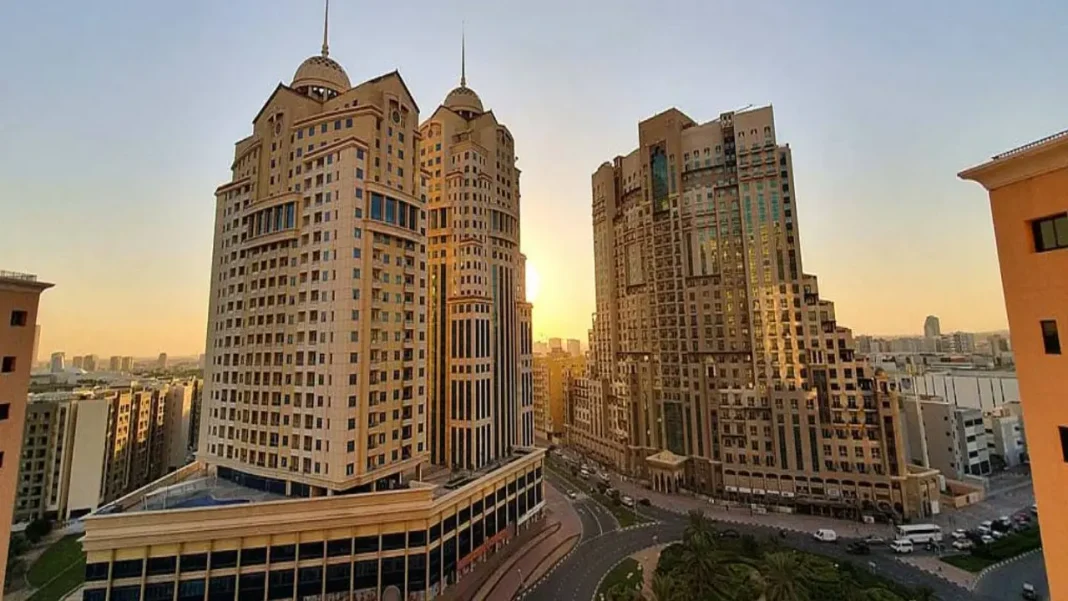
In contrast to the skyscrapers that dominate the landscape of the Emirati capital, this enclave offers a radically different proposition: residences of more than 1,200 square metres surrounded by mangrove forests, where flamingos and sea turtles are the true protagonists. The project, heir to the ecological vision of the founder of the Emirates, Sheikh Zayed bin Sultan Al Nahyan, transforms a once barren island into a wildlife sanctuary accessible in just half an hour from downtown Abu Dhabi.
A park that redefines eco-tourism
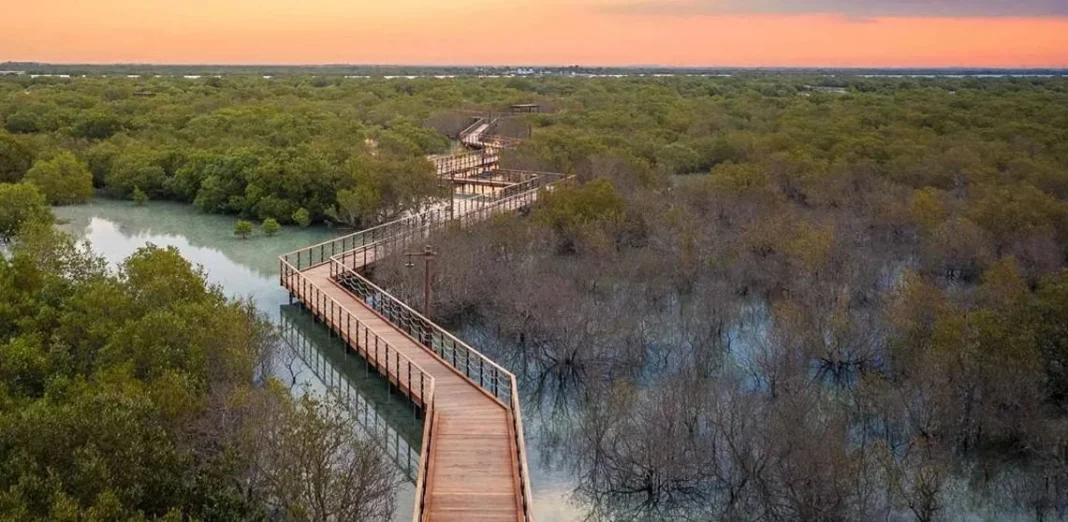
The Jubail Mangrove Park is the first self-contained educational park of its kind in the emirate, with 2 kilometres of floating boardwalks that meander over the waters where the mangroves take root. Opened in 2020, the space has become a platform for raising awareness of the ecological role of these habitats, which not only support marine biodiversity but also absorb carbon dioxide and trap it in their soils for millennia.
Kayaking activities among the partially submerged trees allow visitors and residents to enter an ecosystem that is home to more than 80 bird species, 13 crustacean species and a diversity of fish that make the area a strategic point for the fishing industry. Educational programmes, developed in collaboration with the Environment Agency – Abu Dhabi, range from guided tours with rangers to tree-planting opportunities, with experiences designed both for schoolchildren and for companies as part of their social responsibility programmes.
The entrance fee to the park, set at 15 dirhams, gives access to a territory where herons, gazelles and turtles coexist in a balance that serves as a reminder that Abu Dhabi is more than its glass towers. Special night routes extend the experience, allowing visitors to discover mangrove life under the stars, a contrast that is hard to imagine just a few kilometres from the urban hustle and bustle.
Commitment to one million mangroves
✓ National goal: Plant 100 million mangroves across the country by 2030
✓ Jubail Island commitment: One million additional trees on the island
✓ Current progress: More than 350,000 specimens already planted in the area
✓ Climate impact: The 1.35 million trees will capture 1,150 tonnes of CO₂ annually once planting is completed
Jubail Island Investment Company has established strategic alliances with governmental and private entities to bring this ambitious reforestation goal to life. The project not only responds to environmental commitments but also positions the island as a benchmark in the fight against climate change through nature-based solutions.
For every tree lost in urban development processes, three new specimens are planted, a policy that has helped reverse decades of degradation of these coastal ecosystems. Grey mangroves, adapted to the high temperatures of the Arabian Sea —the warmest in the world— act as ecosystem engineers, creating ideal conditions for crabs, juvenile fish and numerous species that later support commercial fishing in deeper waters.
Residential exclusivity overlooking nature
The real estate component includes 400 high-end villas and 400 multifamily units strategically distributed to minimise the impact on the natural environment. The first handovers, initially scheduled for the end of 2022, have consolidated a model in which residences blend into the landscape rather than dominate it, a philosophy opposed to the vertical developments that characterise Abu Dhabi.
Owners enjoy a lifestyle in which wildlife watching is part of the daily routine, from flamingos flying over the villas to sea turtles visible from private boardwalks. The island’s rewards programme allows residents to redeem points for mangrove-planting activities, free park admission or discounts on kayaking experiences, encouraging active participation in conservation.
Richard Russell, the investment company’s Chief Operating Officer, defines the project as a creation in harmony with the surrounding protected areas, where the low construction density ensures that green spaces far exceed built-up areas. This island demonstrates that luxury and sustainability are not opposing concepts, but can converge in a model that can be replicated by other Gulf metropolises facing the challenge of growing without destroying their natural heritage.