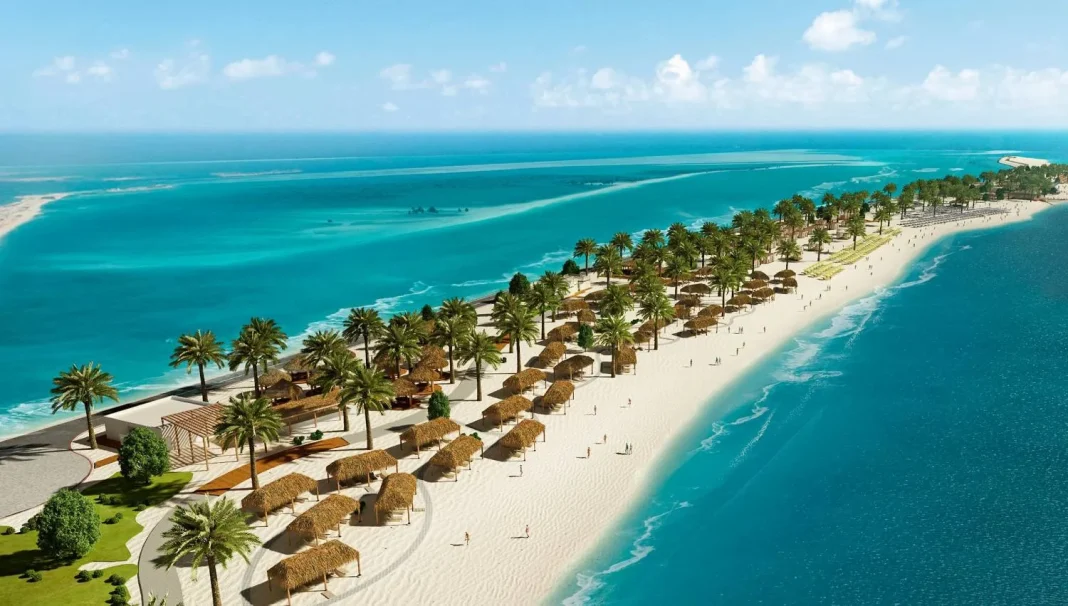


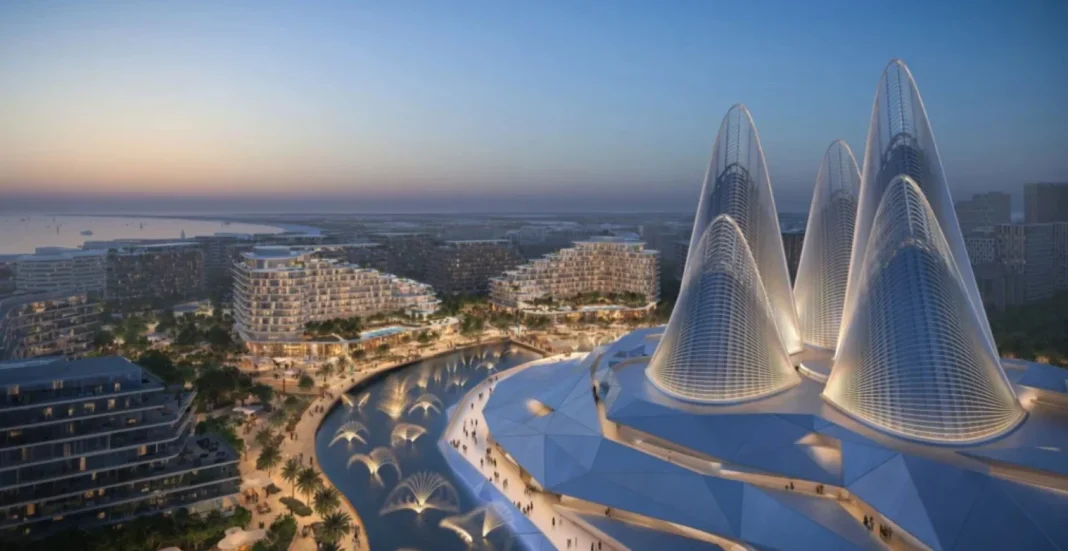
Saadiyat Island, located just a few minutes from downtown Abu Dabi, has become the epicenter of an unprecedented urban transformation in the United Arab Emirates. The Saadiyat Cultural District already brings together institutions such as the Louvre Abu Dabi, Manarat Al Saadiyat and Berklee Abu Dabi, while construction advances on the Abu Dabi Guggenheim, the Zayed National Museum, the Natural History Museum and teamLab Phenomena. This concentration of cultural infrastructures is redefining the real estate market in the area at an accelerated pace.
The opening of the Guggenheim in 2026, designed by Frank Gehry with almost 30,000 square meters of surface area, will mark a definitive milestone in the consolidation of the district. UAE cultural authorities confirm that the museum will house more than 600 contemporary art pieces from around the world, with a special focus on artists from the Arab world, Asia and Africa, and “heroic” scale pieces in line with the building’s size. This project, together with the Zayed National Museum and other facilities in their final phase, makes Saadiyat a world-class destination that is directly boosting square meter valuations.
Culture as a driver of real estate revaluation
The Saadiyat Cultural District has proven to be much more than a collection of museums. The Louvre Abu Dabi received more than 2 million visitors in its first full year of operation, cementing the island as a first-class cultural destination. This constant flow of high-spending tourism, diplomats, art patrons and expatriate families is generating sustained residential demand throughout the year. Properties in the area reach prices between 15% and 25% higher than the emirate’s average, while rents far exceed typical market rates.
The multiplier effect of culture on land value is evident when analyzing nearby residential developments. Projects such as Saadiyat Grove or the Louvre Abu Dhabi Residences offer luxury villas, beachfront apartments and resort-style living just 100-300 meters from the main cultural centers. This proximity to world-renowned institutions translates into an increasing real estate premium, further driven by hundreds of millions invested in cultural and urban infrastructure by the UAE Government. Experts predict that the square meter value in elite tourist areas could reach €5,000, with annual growth of 5-7%.
Cultural infrastructures that transform the market
The Saadiyat Cultural District functions as an integrated ecosystem where each facility enhances the value of the others. In addition to the Louvre and the future Guggenheim, the district includes spaces such as Manarat Al Saadiyat, dedicated to temporary exhibitions and academic events, as well as prestigious international educational institutions such as Berklee Abu Dabi. This ensemble creates a dense and dynamic cultural fabric, with art galleries, ephemeral installations and live performances that turn every corner into an aesthetic experience.
The main keys to the district’s real estate impact are:
- Unique cultural concentration: Saadiyat will house one of the highest densities of cultural institutions in the world, with five internationally-scaled museums under construction or in operation.
- Elite tourist flow: Cultural offerings attract visitors with high purchasing power, guaranteeing high occupancy and premium rentals year-round.
- Massive public investment: Local governments have dedicated hundreds of millions to urban infrastructure, transportation and facilities, supporting sustained land value growth.
- International appeal effect: The district has attracted luxury developers, prestigious hotel chains and design firms, raising residential standards across the entire island.
The Guggenheim as a catalyst for urban change
The opening of the Abu Dabi Guggenheim in 2026 represents the definitive turning point for Saadiyat’s real estate market. With a collection of more than 600 works acquired over 12 years of preparation, the museum will be the largest in the Guggenheim network and will exhibit monumental scale pieces across its 30,000 square meters of surface area. Frank Gehry’s design, with its iconic structure visible from several points on the island, will function as an architectural beacon that reinforces the district’s brand image.
The Guggenheim’s impact transcends culture and directly projects onto residential supply. Developments such as Saadiyat Lagoons, with new delivery villas, or the Nobu Residences, currently under construction, are already capturing investors betting on future revaluation linked to the museum’s opening. Areas like Saadiyat Grove, with deliveries scheduled from next year, benefit from a prestige narrative difficult to replicate in other Abu Dabi districts. The square meter in the Cultural District currently trades between €2,800 and €4,600, with bullish projections for the 2026-2030 period.
Real estate analysts agree that Saadiyat is positioning itself as a sustainable and high-value urban enclave with unmatched growth potential in the Gulf region. The combination of culture, iconic architecture and elite urban planning makes the Saadiyat Cultural District a case study on how investment in cultural heritage structurally revalues the land market.