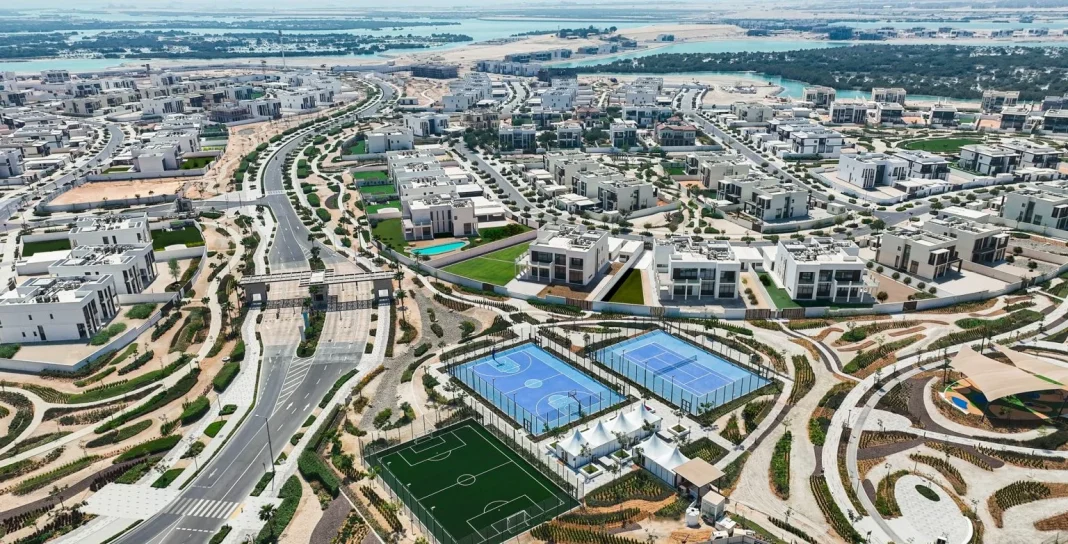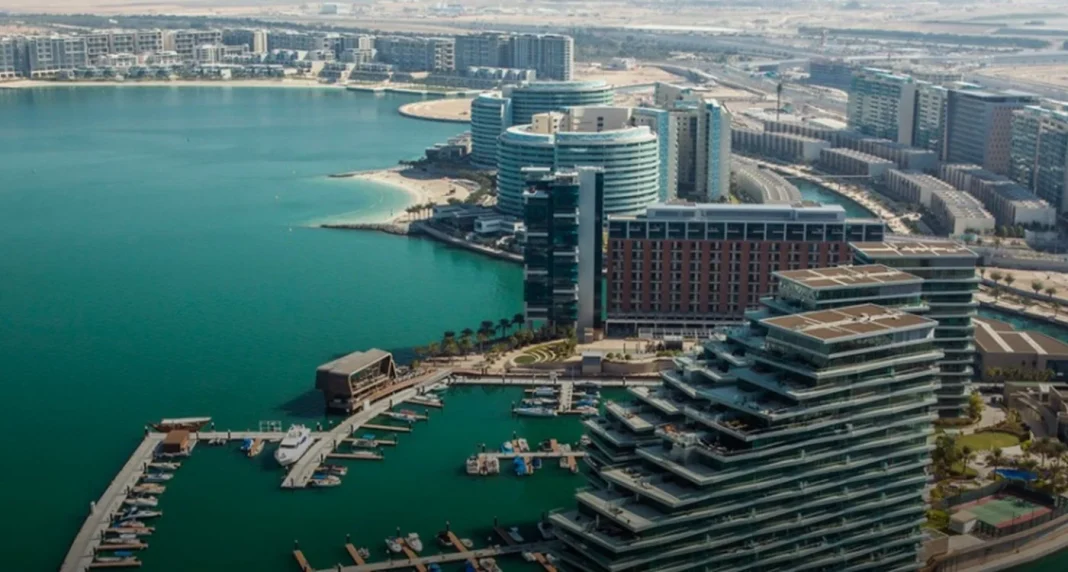


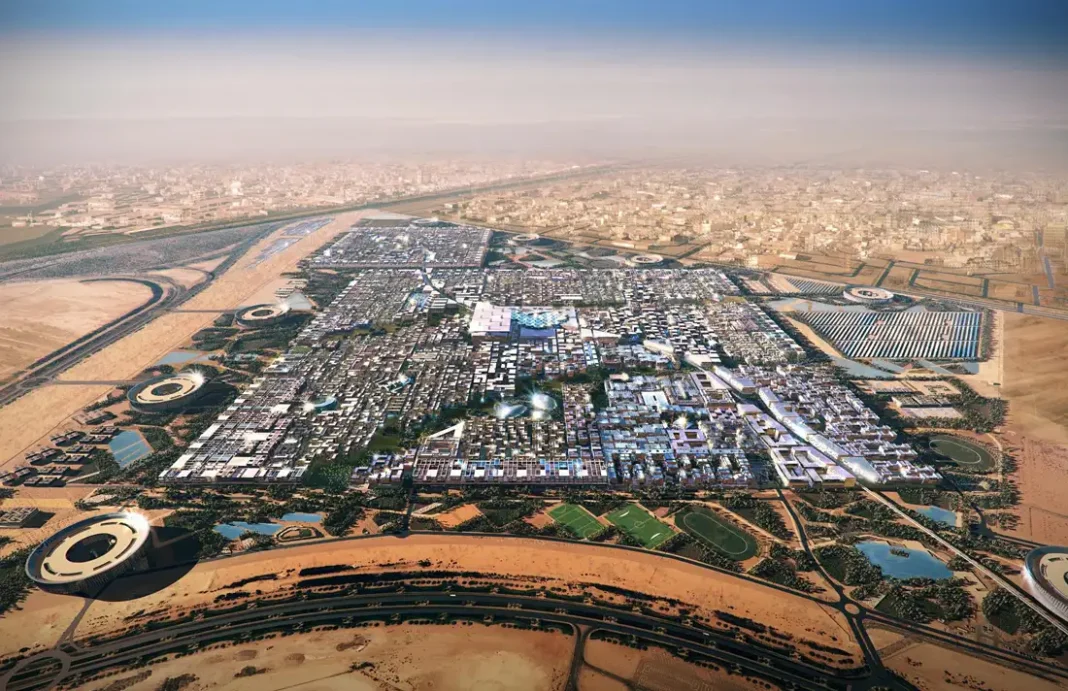
Masdar Heights is one of the most ambitious projects in sustainable urbanism in the United Arab Emirates. From its conception, it has sought to integrate clean technology, bioclimatic architecture, and efficient mobility in an environment that challenges the desert’s extreme conditions. The keyword Masdar Heights represents not only a place but a vision of the future that connects investors, residents, and urban planners. Its growth responds to a growing demand for spaces that reduce the ecological footprint without sacrificing comfort or profitability.
The Masdar Heights model is based on energy efficiency principles that go beyond saving. Each building is designed to optimize natural ventilation, harness sunlight, and minimize electricity consumption. This philosophy translates into a significant reduction in operating costs and an improvement in residents’ well-being. In addition, the use of recyclable materials and intelligent energy management systems strengthen its ecological profile. In this context, Masdar Heights becomes a benchmark for sustainable portfolios seeking profitability with positive impact.
URBAN DESIGN ADAPTED TO THE DESERT
The layout of Masdar Heights responds to climatic and cultural logic. Narrow and shaded streets, along with interior courtyards, help reduce ambient temperature without the need for air conditioning. This strategy, inspired by traditional Arab settlements, is combined with cutting-edge technology to create an urban microclimate. The result is a city that challenges the 50-degree Emirati summer without compromising livability.
Urban planning also considers sustainable mobility as a central axis. The use of electric vehicles, bike lanes, and autonomous transport reduces dependence on private cars. This integration of clean solutions not only improves air quality but also enhances the appeal of Masdar Heights as a residential and investment destination. Thus, the city becomes a living laboratory of ecological urbanism, where every decision directly impacts the environment.
RISING REAL ESTATE VALUE
Masdar Heights has proven that sustainability does not conflict with profitability. Property prices have experienced steady growth, driven by demand for green and efficient spaces. This phenomenon responds to a global trend that rewards developments with ecological certifications and low carbon footprint. In this sense, Masdar Heights positions itself as a safe and promising investment.
Financial attractiveness is reinforced by government incentives and policies supporting innovation. The presence of technology companies, research centers, and coworking spaces generates a dynamic ecosystem that raises the area’s value. Furthermore, the political and economic stability of the United Arab Emirates adds a layer of security for investors. All of this makes Masdar Heights a key part of sustainable portfolios.
SMART TECHNOLOGY IN DAILY LIFE
Everyday life in Masdar Heights is mediated by technology. From energy consumption management to security, everything is controlled by intelligent systems. Sensors allow for automatic adjustment of lighting, climate control, and irrigation, optimizing resources without human intervention. This automation improves efficiency and reduces environmental impact.
Moreover, connectivity is a fundamental pillar of the project. The data network enables residents to interact with their environment through mobile apps, facilitating everything from paying for services to booking common spaces. This digitalization reinforces the sense of community and improves quality of life. In Masdar Heights, technology is not a luxury but a tool serving collective well-being.
CULTURAL AND SOCIAL INTEGRATION
Masdar Heights is not only a set of efficient buildings but a diverse and cohesive community. The design of public spaces encourages neighbor interaction, with squares, parks, and sports areas inviting gatherings. This social dimension is key to building sustainable cities that go beyond the technical and promote emotional well-being.
The cultural offering also plays a relevant role. Events, exhibitions, and educational activities strengthen ties with local identity and foster respect for the environment. This integration of social and environmental aspects makes Masdar Heights a replicable model for other cities. In this context, the concept of sustainable urbanism makes full sense and translates into quality of life.
INTERNATIONAL PROJECTION AND RECOGNITION
The impact of Masdar Heights has crossed the borders of the United Arab Emirates. Its model has been studied by urban planners, architects, and governments worldwide as an example of an ecological city. The combination of efficiency, design, and technology has generated international recognition and sustainability awards. This prestige boosts its value as a real estate asset and as a symbol of innovation.
In addition, the presence of academic institutions and research centers in the area has turned Masdar Heights into a knowledge hub. Collaboration between the public and private sectors has been key to consolidating this ecosystem. In this sense, the project aligns with global strategies for energy transition and intelligent urban development. Its success proves that it is possible to build cities that respect the planet and create value.
CONNECTION WITH THE NATURAL ENVIRONMENT
One of the most striking aspects of Masdar Heights is its relationship with the landscape. Despite being in the heart of the desert, the project has managed to integrate vegetation, water, and biodiversity into its design. Vertical gardens, green roofs, and water recycling systems create a pleasant and resilient environment. This connection with nature improves residents’ physical and mental health.
The use of renewable energy, especially solar power, reinforces this symbiosis with the surroundings. Photovoltaic panels cover much of the surfaces and supply the complex’s energy needs. This energy self-sufficiency reduces reliance on fossil fuels and positions Masdar Heights as a benchmark in ecological transition.
FUTURE CHALLENGES AND OPPORTUNITIES
Although Masdar Heights has achieved remarkable progress, it still faces challenges. Model scalability, waste management, and adaptation to new technologies are pending issues. However, institutional commitment and citizen participation provide a favorable framework for continued innovation. The city is constantly evolving and open to improvements.
There are many opportunities: from expanding the model to other regions to creating international alliances. Masdar Heights can become a strategic node in the global network of sustainable cities. Its experience shows that 21st-century urbanism should be ecological, inclusive, and profitable. In this sense, the project not only inspires but paves the way towards a more balanced future.